
Siberian Husky
The Siberian Husky is one of the most stunning — and demanding — dog breeds you can bring home in India. Bred by the Chukchi people of Siberia to run hundreds of kilometres in sub-zero temperatures, this striking, wolf-like medium-sized dog brings boundless energy, a mischievous personality, and legendary stubbornness to Indian households. With the right climate management, exercise routine, and nutrition, a Husky can be a deeply loyal and joyful companion — but this is a breed that demands your honest commitment before you fall in love with those blue eyes.
How to Care for a Siberian Husky
About Siberian Huskies
There are dogs that turn heads in a park — and then there is the Siberian Husky, a breed that stops traffic. With piercing blue or multi-coloured eyes, a thick wolf-like double coat, and a personality that swings between deeply affectionate and utterly exasperating, the Husky is one of the most captivating — and genuinely demanding — breeds you can bring into an Indian home.
Originally developed by the Chukchi people of northeastern Siberia over thousands of years, Huskies were purpose-built for endurance: pulling light sleds across vast frozen distances on minimal food, in temperatures that regularly dropped below minus 40°C. That heritage is not background trivia — it is the lived reality of the dog sitting in front of you. The Husky's extraordinary metabolism, insatiable need for exercise, independent thinking, and thick climate-adapted coat are all direct products of that ancestry. Understanding this is the first step to keeping one well in India.
Huskies arrived in India largely through the social media era — their wolf-like beauty made them internet stars, and interest surged accordingly. Today they are one of the most searched dog breeds among Indian pet parents, particularly in metro cities. They can absolutely thrive in India with the right conditions. But "the right conditions" is not a vague caveat — it means air conditioning, two serious exercise sessions daily at non-peak heat hours, committed grooming, and an experienced, patient owner who finds the Husky's theatrical stubbornness endearing rather than exhausting. Get those elements right, and you will have a loyal, joyful, talking (yes, they talk — famous vocalisers) companion who will make every morning walk the highlight of your day.
Breed Appearance, Size & Weight
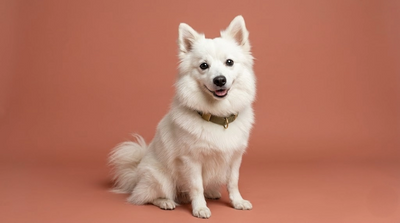
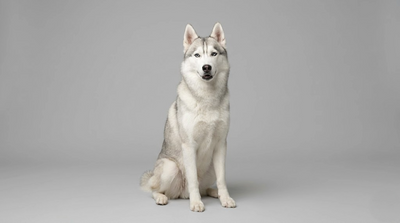
The Siberian Husky is a medium-sized working dog — compact, lean, and athletically built rather than bulky. They are often mistaken for Alaskan Malamutes, but Huskies are noticeably smaller, lighter, and faster. Their most distinctive features are their dense double coat, erect triangular ears, and their eyes — which can be blue, brown, amber, or parti-eyed (two colours in one eye), or bi-eyed (one blue, one brown).
Their double coat consists of a soft, dense undercoat and a straight, smooth outer coat. Common colourings include black and white (the most popular in India), grey and white, red and white, agouti (wild-type pattern), and pure white. The coat is self-cleaning to a remarkable degree — Huskies have almost no "dog odour" compared to most breeds, which Indian pet parents often appreciate.
Adult Males
Weight: 20–27 kg
Height: 53–60 cm at withers
Build: Lean, athletic, deep-chested
Adult Females
Weight: 16–23 kg
Height: 50–56 cm at withers
Build: Lighter frame, slightly more compact
Coat
Dense double coat — soft undercoat + straight outer coat. Never shave. The coat regulates body temperature in both heat and cold and protects from sunburn. Shaving permanently damages the coat structure and worsens heat regulation.
Eyes
Blue, brown, amber, bi-eyed (one of each), or parti-eyed (two colours in one eye). All are genetically normal. Blue-eyed Huskies are most popular in India but all eye colours are equally healthy.
Lifespan
12–15 years. A relatively long-lived breed for their size, with proper care, nutrition, and regular veterinary attention.
Grooming
Grooming a Siberian Husky in India is a serious commitment — arguably the highest-maintenance aspect of owning one in this climate. Their thick double coat, designed to manage extreme Siberian winters, requires consistent care throughout the year and intensive management during India's hot months and monsoon season.
Brushing — the Non-Negotiable
Huskies shed year-round and "blow" their entire undercoat twice a year — typically in April–May and October–November in India. During blowout, your home will be covered in fur regardless of how much you brush. A slicker brush and an undercoat rake are essential tools. Brush at least 3–4 times per week normally, and daily during blowout. Start brushing sessions early in puppyhood so your Husky learns to enjoy or at least tolerate grooming.
Bathing
Bathe your Husky every 6–8 weeks under normal conditions. Over-bathing strips the natural oils that protect the skin and coat. Use a gentle, pH-balanced dog shampoo. During India's monsoon season, your Husky's paws and belly will collect moisture and mud on every walk — rinse paws after each outing and dry thoroughly to prevent fungal growth between the toes and in skin folds. A handheld shower attachment makes this manageable.
Ears, Nails & Teeth
Check ears weekly — Huskies are not particularly prone to ear infections, but monsoon humidity in cities like Mumbai, Chennai, and Kolkata increases the risk. Clean with a vet-approved ear cleaner if you notice wax buildup or any odour. Trim nails every 3–4 weeks; a clicking sound on tiles means they are too long and can cause joint discomfort over time. Brush teeth 2–3 times a week to prevent tartar — dental disease is the most underdiagnosed condition in Indian dogs.
India-Specific Grooming Challenges
- Monsoon paw care: After every outdoor walk during June–September, rinse paws, dry between toes, and check for cuts or fungal irritation. Wet Husky paws left unattended develop yeast infections quickly in India's humidity.
- Summer shedding surge: Blowout season in India often hits earlier (March–April) due to climate. Start daily brushing from February to stay ahead of it.
- Tick checks: After every outdoor outing in parks or gardens, run your fingers through the coat and check ears, armpits, and between toes. Tick-borne disease is serious in Indian cities.
Heavy shedding, dull coat, and skin sensitivity are amplified by India's climate stress. Vettofit Wild-Caught Alaskan Salmon Oil delivers EPA and DHA Omega-3 fatty acids that strengthen the skin barrier, reduce inflammation-related shedding, and restore shine to a stressed coat. Particularly valuable for Huskies, who are prone to zinc-responsive dermatosis — a skin condition where the outer coat and skin around the face and paws become dry and flaky. Pet parents typically notice visible coat improvement within 4 weeks of consistent daily use.
Explore Salmon Oil →Training
Training a Siberian Husky is a rewarding, sometimes maddening, always entertaining experience. Let us be honest with you: Huskies are highly intelligent dogs who are also highly independent thinkers. They were bred to make autonomous decisions over long sled routes — they were never bred to simply obey commands. This is not stubbornness in the negative sense. It is genuine self-directed intelligence. The Husky will always be asking "why should I do this?" — and your job as a trainer is to make the answer obvious and rewarding.
Positive Reinforcement — the Only Method That Works
Harsh corrections, punitive training, or dominance-based methods do not work with Huskies — they make the dog anxious, resentful, and more defiant. High-value treats, enthusiastic praise, and consistent short training sessions (10–15 minutes maximum) are your tools. Huskies bore quickly, so variety is essential. End every session on a success, even if it means stepping back to something simple.
Puppy Training Timeline
8–12 Weeks
Name recognition, sit, come, crate introduction. Focus on trust-building. Avoid long sessions — puppy attention span is minutes, not hours.
3–6 Months
Loose-leash walking (critical — Huskies are natural pullers), stay, down. Begin basic recall in a securely fenced space. Never trust a young Husky off-lead in an open area.
6–12 Months
Adolescence hits hard. Huskies at this stage will test every boundary established earlier. Stay consistent. Enrol in a group obedience class — the social exposure is as valuable as the training.
12 Months Onward
Advanced commands, mental enrichment games, agility if available in your city. A mentally tired Husky is a calmer Husky — mental exercise is as tiring as physical for this breed.
India-Specific Socialisation
Indian streets offer a unique socialisation environment — and that is both an opportunity and a challenge for Husky puppies. Early, positive exposure to busy street sounds, autorickshaws, two-wheelers, horns, street dogs, crows, and festival crowds is essential. Many Indian Husky owners underestimate the impact of Diwali fireworks — start desensitisation training from the first October the puppy is home. Play cracker sounds at low volume, pair with treats and calm behaviour, gradually increase over weeks. A Husky caught unprepared by Diwali can develop lasting noise phobia.
The Escape Artist Problem
Huskies are legendary escape artists. They dig under fences, jump over barriers, and solve gate latches. If you have a garden or open terrace, audit your fencing before your Husky arrives. In apartment complexes, ensure balcony railings are Husky-proof — they have been known to squeeze through surprisingly narrow gaps when motivated. A bored, under-exercised Husky is a Husky planning its next escape.
Diet & Nutrition
Siberian Huskies have a uniquely efficient metabolism — one of the most unusual in the dog world. Shaped by thousands of years of running vast distances on minimal food in extreme cold, Huskies actually need fewer calories per kilogram of body weight than most similarly-sized dogs. This means overfeeding is a real risk, especially in India where a Husky's activity level may be reduced during hot months.
What a Husky's Diet Should Look Like
Huskies thrive on high-protein, moderate-fat diets. Protein should come from quality animal sources — chicken, mutton, fish, and eggs are all excellent. Their muscle metabolism relies heavily on fat for fuel (an Arctic sled dog adaptation), so healthy fats from sources like fish oil are particularly beneficial. A general guideline for an adult Husky in moderate activity is approximately 25% protein and 15% fat in the diet.
Puppies (2–6 months)
3–4 small meals per day. High-quality protein, calcium, and phosphorus balance for bone development. Avoid over-supplementing calcium — excessive calcium in puppyhood can worsen hip development. Follow your vet's guidance precisely.
Puppies (6–12 months)
2–3 meals per day. Transition gradually to adult portions. Continue growth-formula food or vet-guided home-cooked with appropriate supplementation.
Adults (1–8 years)
2 meals per day. Match portion size to actual activity level — a Husky exercising 2 hours daily needs more than one getting 45 minutes on a hot summer day. Weigh food rather than estimating.
Seniors (8+ years)
2 meals per day with slightly reduced fat content. Increase joint-supporting nutrients — Omega-3 fatty acids become particularly important as Huskies are prone to hip dysplasia in their later years.
Indian Home-Cooked Diet Considerations
Many Indian Husky owners feed home-cooked meals — boiled chicken and rice is the most common base, and it is a reasonable foundation. However, home-cooked diets almost always create nutritional gaps: they typically lack adequate zinc (particularly important for Huskies, who have a genetic tendency toward zinc malabsorption), essential fatty acids, and B-vitamins. If you are cooking for your Husky, work with a vet to design a nutritionally complete recipe and always supplement appropriately.
Zinc — the Husky-Specific Nutrient
Siberian Huskies are genetically predisposed to zinc-responsive dermatosis — a condition where their intestines struggle to absorb adequate zinc even from a balanced diet. Signs include dry, crusty, flaky skin around the face, muzzle, ears, and paw pads, along with patchy hair loss. This condition is more common in India where diet quality and supplementation awareness are variable. Ensure your Husky's diet includes zinc-rich foods (red meat, fish, eggs) and discuss zinc supplementation with your vet if you notice any skin changes.
Whether you are feeding commercial kibble, home-cooked chicken and rice, or a mixed diet, Vettofit Nutri-Topper is a vet-formulated daily supplement designed to cover the gaps. It contains natural, human-grade ingredients — including turmeric, probiotics, and essential vitamins — that support gut health, coat condition, joint health, and immunity. Particularly valuable for Huskies whose reduced summer appetite in hot Indian months means they are eating less than usual. Sprinkle over any meal to boost nutritional completeness without changing the base diet.
Explore Nutri-Topper →Health & Common Issues
Siberian Huskies are generally a robust, long-lived breed — 12 to 15 years is realistic with good care. However, they do carry a set of breed-specific health vulnerabilities that Indian pet parents need to understand. Many of these are genetic and require screening rather than reactive treatment.
Eye Conditions
Huskies are unfortunately prone to multiple hereditary eye conditions. Juvenile cataracts are the most common, affecting roughly 10% of the breed — unlike cataracts in older dogs, these can develop as early as 6–12 months of age. Progressive Retinal Atrophy (PRA) causes gradual vision loss starting with night blindness. Corneal dystrophy causes opacity in the cornea and typically appears in young adults. All breeding Huskies should be screened by a veterinary ophthalmologist, and pet parents should schedule annual eye examinations from the first year of life.
Hip Dysplasia
While Huskies have lower rates of hip dysplasia than breeds like German Shepherds or Labradors, it does occur — particularly in dogs from unscreened breeding lines (which is a significant concern in India's booming Husky market). Signs include stiffness after rest, reluctance to climb stairs or jump into vehicles, swaying gait, and reduced enthusiasm for exercise. Early screening via X-rays, maintaining a lean body weight, and Omega-3 supplementation from a young age all reduce severity.
Zinc-Responsive Dermatosis
As discussed in the Diet section, Huskies have a genetic predisposition to poor zinc absorption. In India, this is often worsened by diets low in zinc-rich foods and by the additional skin stress of heat and humidity. Watch for crusty, flaky, reddened skin around the face, ears, and paw pads. This condition responds well to dietary correction and zinc supplementation under veterinary guidance — but always consult your vet before adding supplements to avoid overdose.
Hypothyroidism
Middle-aged Huskies (3–8 years) are prone to hypothyroidism — inadequate production of thyroid hormones. Signs include unexplained weight gain despite normal eating, lethargy, coat thinning, and skin changes. This condition is manageable with daily medication once diagnosed via a blood panel. If your previously energetic Husky starts slowing down and gaining weight, a thyroid check is warranted.
Heat Stress — the Indian-Specific Emergency
In India, heat stress and heatstroke are the most immediate threats to Husky welfare. A Husky should never be outside in temperatures above 28°C without active cooling. Warning signs of heatstroke: excessive panting, drooling, glazed eyes, wobbly gait, bright red gums, vomiting, or collapse. Emergency action: Move indoors to air conditioning immediately, apply cool (not ice cold) water to the paws, armpits, and neck, and head to a vet without delay. Heatstroke can cause organ damage within minutes — do not wait to see if they "recover on their own."
Recommended Preventive Health Schedule
Annual Checks
Full physical examination, blood panel (including thyroid), eye examination by veterinary ophthalmologist, tick-borne disease screening (Ehrlichia, Babesia — year-round risk in Indian cities), fecal parasite test, and dental assessment.
Vaccinations
Core vaccines (Distemper, Parvovirus, Hepatitis, Rabies) on standard Indian schedule. Leptospirosis vaccination is particularly important in India — monsoon flooding and contaminated water are major exposure routes.
Tick & Flea Prevention
Year-round in most Indian cities. Speak to your vet about appropriate preventive options — collars, spot-ons, or oral tablets depending on your environment and the Husky's lifestyle.
Exercise
Exercise is not optional for a Siberian Husky — it is a welfare requirement. These dogs were bred to run 100+ kilometres per day. In Indian conditions, they obviously cannot do that, but the underlying drive remains. An under-exercised Husky becomes destructive, anxious, and vocal in ways your neighbours will definitely notice. The chewed sofa, the excavated garden, the 2 AM howling session — all symptoms of insufficient physical and mental stimulation.
Daily Exercise Requirements
Adult Huskies need a minimum of 1.5–2 hours of genuine physical activity per day, split into at least two sessions. One good long walk or run is not enough — Huskies need to move, and they need to engage their minds as well as their bodies. Puppies need shorter, more frequent play sessions with rest intervals — over-exercising developing joints in puppies is a known risk factor for hip dysplasia.
India-Safe Exercise Timing
Summer (March–June)
Walk before 7:00 AM and after 7:00 PM only. Keep sessions to 30–40 minutes maximum at cooler hours. Carry water. Watch for panting that does not slow after a few minutes of rest — that is the first sign of heat stress.
Monsoon (July–September)
Cooler temperatures allow longer walks in Bangalore, Pune, and hill cities. In Mumbai and Chennai, humidity can remain oppressive — maintain timing restrictions. Paw care post-walk is essential.
Winter (November–February)
The golden season for Indian Husky owners — finally some relief for your Husky and for you. Enjoy longer morning and evening walks. This is the ideal time for recall training in open spaces, jogging together, or dog park socialisation.
Indoor Exercise & Mental Enrichment
During summer afternoons when outdoor exercise is not possible, mental enrichment keeps your Husky's mind from turning to mischief. Puzzle feeders, sniff mats, food-stuffed toys, hide-and-seek games, and short training sessions all tire a Husky out surprisingly effectively. A 20-minute training session can be as fatiguing as a 45-minute walk. Rotate toys regularly — Huskies bore quickly and a "new" toy is worth far more than a familiar one.
Living With a Siberian Husky in India
Is the Husky Right for Your Home?
This is the question every prospective Indian Husky owner should sit with honestly. The Husky is an extraordinary dog — but it is not the right dog for every lifestyle. Here is a frank assessment.
Apartment Living
Possible, but challenging. A 2BHK or 3BHK with reliable air conditioning, two serious daily exercise sessions, and a committed owner can work. The Husky's size is manageable, but their energy level, howling, and shedding are significant factors in apartment buildings. Some housing societies in Indian cities have restrictions on certain breeds — check before committing.
With Children
Excellent with children — Huskies are famously gentle, patient, and tolerant with kids who can match their energy. Supervision is always recommended, particularly with very young children (under 5), not because of aggression risk but because an excited Husky can knock a toddler over easily during play. Children and Huskies often become inseparable companions.
With Other Dogs
Generally excellent — Huskies are pack animals and thrive with canine company. Early socialisation makes them comfortable with dogs of all sizes. They may chase smaller dogs or cats initially due to prey drive, but proper socialisation from puppyhood dramatically reduces this.
As a Guard Dog
Completely unsuitable, and most Husky owners find this charming. Huskies greet strangers with the enthusiasm usually reserved for long-lost family members. Your Husky is more likely to show a burglar to the valuables than sound an alarm.
Monthly Cost of Ownership in India
Owning a Siberian Husky in India has a higher baseline cost than most breeds, primarily due to climate management requirements.
Monthly Expense Estimate (Bangalore / Pune reference)
Premium food: ₹4,000–8,000
Electricity (AC running 8–10 hours/day, summer months): ₹2,000–4,000 additional
Grooming supplies / professional grooming: ₹800–2,500
Vet visits + preventive care (monthly average): ₹800–2,000
Supplements and wellness: ₹600–1,500
Estimated total: ₹8,000–18,000/month depending on diet and lifestyle
Breed History & Origin
The Siberian Husky is one of the oldest domesticated dog breeds on earth — genetic studies trace their lineage to over 9,500 years ago, to the Chukchi people of northeastern Siberia's Chukchi Peninsula. For millennia, the Chukchi relied on these dogs not merely as working animals but as family members — Husky puppies were allowed inside the tents in winter, and the relationship between the Chukchi and their dogs was one of genuine partnership and mutual dependence.
The breed came to international attention through Alaska in the early 20th century, where Siberian Huskies began participating in long-distance sled racing. Their smaller size and remarkable speed surprised competitors. In 1925, a relay of sled dog teams — primarily Siberian Huskies — carried life-saving diphtheria antitoxin across 1,000 kilometres of treacherous Alaskan terrain to the isolated town of Nome during a blizzard. The lead dog of the final relay, a Husky named Balto, became a national hero in America and a statue in Central Park, New York, commemorates this feat. The Iditarod Trail Sled Dog Race, held annually in Alaska, continues this tradition today.
In India, Siberian Huskies began appearing in small numbers in the early 2000s, primarily in Delhi and Mumbai through KCI-registered importers. Their popularity grew steadily but was transformed by social media in the 2010s — Instagram and YouTube accounts featuring Indian Huskies drew hundreds of thousands of followers, making the breed one of the most searched in the country by 2018–2020. This popularity surge brought both wonderful dedicated owners and, unfortunately, a wave of impulse purchases that the Indian Husky rescue community continues to manage. The breed's presence in India is now significant and well-established, with responsible breeders, dedicated rescue networks, and active owner communities in most major cities.
Frequently Asked Questions
Can a Siberian Husky really survive in India's climate?
Yes — with the right conditions. Huskies can live healthy, happy lives in India if provided with reliable air conditioning during hot months (ideally maintaining 20–24°C indoors), exercise only during cooler parts of the day (before 7 AM and after 7 PM in summer), consistent grooming, and vigilant monitoring for heat stress. Without air conditioning in cities like Chennai, Mumbai, Delhi, or Hyderabad from March through June, keeping a Husky is not responsible. Bangalore and hill cities offer marginally more manageable conditions but still require careful summer management.
Do Huskies bark a lot? What about howling?
Huskies are famous vocalisers — but they rarely bark in the typical dog sense. Instead, they howl, whine, "talk" (producing remarkably human-sounding vocalisations), and produce a range of vocal expressions that many owners find hilarious. A bored or under-exercised Husky will howl at length and at volume. A well-exercised, mentally stimulated Husky is much quieter. Apartment dwellers should factor neighbour relations into the decision — a howling Husky is genuinely audible through walls.
Is a Siberian Husky good with children and other pets?
Huskies are exceptional with children — patient, gentle, and playful in equal measure. Their pack-dog nature means they generally love other dogs and adjust well to multi-dog households. With smaller pets — cats, rabbits, birds — early socialisation is critical due to their prey drive. Many Huskies live peacefully with cats they have been raised with from puppyhood, but introducing an adult Husky to a small resident cat requires careful, gradual management.
Why does my Husky shed so much? Is it a health problem?
Heavy shedding is completely normal for Siberian Huskies, especially during their bi-annual "coat blowout" — typically in April–May and October–November in India. During blowout, daily brushing is essential and shedding will be extraordinary by any breed's standard. Year-round, 3–4 brushing sessions per week manage the baseline shedding. If shedding is accompanied by bald patches, crusty skin, or lethargy outside of normal blowout periods, consult your vet to rule out zinc-responsive dermatosis or hypothyroidism.
What dog food is best for a Siberian Husky in India?
Huskies need a high-protein diet (around 25% protein for adults) with quality animal protein as the primary ingredient — chicken, fish, and mutton are all suitable. For home-cooked diets (boiled chicken, rice, vegetables), ensure you are supplementing key nutrients, particularly Omega-3 fatty acids and zinc, as home-cooked diets commonly fall short of these. Consult your vet to design a nutritionally complete feeding plan for your Husky's life stage and activity level in India's climate.
This article is for informational purposes only and does not substitute professional veterinary advice. Please consult your vet before making changes to your pet's diet or health routine. Content reviewed by the Vettofit veterinary advisory team, March 2026.