
Labrador Retriever
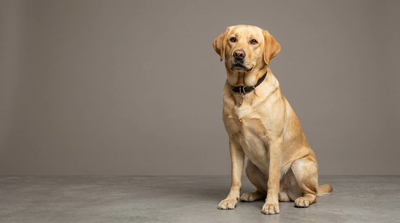
The Labrador Retriever lovingly called Labra across India is the country's most popular family dog, and for very good reason. Gentle, deeply loyal, and endlessly playful, this Canadian-origin breed adapts beautifully to Indian homes, from Bengaluru apartments to Delhi bungalows. With the right nutrition, consistent exercise, and summer-smart care routines, a Lab will be your family's most devoted companion for 10–14 happy years.
How to Care for a Labrador Retriever
About Labrador Retrievers
Ask any Indian pet parent to name a breed, and nine times out of ten, they will say "Labra." The Labrador Retriever has been India's most popular dog breed for over two decades — and if you have ever spent five minutes with one, you understand exactly why. These dogs do not just live in your home; they move into your heart and refuse to leave.
Labs are the kind of dogs who greet the delivery person as enthusiastically as they greet you after a five-minute bathroom break. They are patient with children, gentle with grandparents, playful with other pets, and loyal to every single person in the house. They are not watchdogs — they are family dogs, in every sense of that phrase. If you want a companion who will be present for every moment of your life, a Labrador is it.
That said, raising a healthy Lab in India requires more than love. This is a high-energy, food-motivated breed with specific nutritional needs, a tendency toward joint and weight issues, and a double coat that needs year-round management in India's varied climates. Get the care right, and you will have a vibrant, healthy companion for 10–14 years. This guide gives you everything you need to do exactly that.
Breed Appearance, Size & Weight
The Labrador Retriever is a medium-to-large, athletic dog with an immediately friendly face. They have broad heads, expressive brown or hazel eyes (blue in some yellow Labs as puppies, though this changes), a strong jaw, and that famously thick, otter-like tail that seems to have a life of its own. Their build is muscular and solid — not elegant like a Greyhound, not stocky like a Bulldog — but powerfully balanced.
Their double coat is one of their most important features in the Indian context. The outer layer is short, dense, and water-resistant; the inner layer is soft and insulating. This combination means they shed year-round, with two heavy seasonal blows in March–April and October–November. India's heat does not make Labs shed less — if anything, the humidity can make coat management trickier.
Labs come in exactly three recognised colours: Black, Yellow (ranging from near-white cream to deep fox-gold), and Chocolate. If a breeder tells you they have "rare silver," "red," or "champagne" Labs, these are not recognised variations — approach with caution.
🐕 Males
Height: 22.5 – 24.5 inches
Weight: 29 – 36 kg
Build: Broader head, heavier frame
🐕 Females
Height: 21.5 – 23.5 inches
Weight: 25 – 32 kg
Build: Slightly finer build, equally athletic
🎨 Coat Colours
Black · Yellow (cream to fox-gold) · Chocolate
Silver, champagne, red — not recognised by AKC or KC
📏 Coat Type
Short, dense double coat. Water-resistant outer layer. Heavy shedder year-round — peaks in spring and autumn
Grooming
The Labrador's short coat is deceptively low-maintenance — until shedding season arrives and you find golden (or black, or chocolate) hair on absolutely everything you own. The good news: with a consistent routine, you can manage shedding significantly and keep your Lab's skin and coat in excellent health year-round.
Brushing
Brush your Lab 2–3 times per week with a slicker brush or a de-shedding tool (the Furminator-type undercoat rakes work well for Labs). During peak shedding seasons — March to April and October to November in most Indian cities — increase to daily brushing. This removes loose undercoat before it lands on your sofa and reduces the amount of dead hair causing skin irritation. Always brush in the direction of hair growth, and follow with a rubber grooming mitt for a finishing massage that distributes natural skin oils.
Bathing
Bathe your Lab once every 4–6 weeks under normal conditions — or sooner if they have been swimming (common in monsoon puddle season) or rolling in something they found irresistible in the park. Over-bathing strips natural oils and can trigger dry, flaky skin. Use a gentle, pH-balanced dog shampoo. In Mumbai or Chennai's high-humidity environment, check for skin fold irritation and hot spots after bathing — Labs with deeper skin folds around the neck can trap moisture.
India-Specific Monsoon Grooming
- Post-walk paw wipes are non-negotiable: Mumbai, Bengaluru, and Kolkata's monsoon streets carry leptospirosis risk. Wipe all four paws, between the toes, and the belly after every outdoor walk during July–September.
- Check ears weekly: Labs have floppy ears that trap moisture. Monsoon humidity dramatically increases the risk of otitis externa (ear infection). Gently clean with a vet-approved ear solution and dry thoroughly after any water exposure.
- Hot spots: The combination of heat, humidity, and shedding makes Labs prone to hot spots (acute moist dermatitis) in Indian monsoons. Part the coat regularly to check the skin underneath, especially around the base of the tail and behind the ears.
Nails, Teeth & Ears
- Nails: Trim every 3–4 weeks. If you can hear clicking on your floor tiles, they are overdue. Over-long nails alter a Lab's gait and add stress to already-vulnerable joints.
- Teeth: Labs are predisposed to dental disease. Brush teeth 2–3 times per week with a dog-safe toothbrush and enzymatic toothpaste. Start this habit in puppyhood.
- Ears: Check and clean weekly. Signs of infection: shaking head, scratching at ears, redness, or a yeasty smell. Do not insert anything into the ear canal — clean only the visible flap.
Labrador Retrievers are heavy shedders with a genetic tendency toward dry skin and seasonal allergies — challenges made worse by India's humidity and air quality. Vettofit's Wild-Caught Alaskan Salmon Oil delivers EPA and DHA Omega-3 fatty acids that work at the cellular level to reduce skin inflammation, support coat shine, and ease the itch-scratch cycle that leads to hot spots. Pet parents across India typically see a visible difference in coat texture and shedding volume within 4 weeks.
Explore Salmon Oil →Training
If you are a first-time dog parent wondering whether you can handle training a large breed, a Labrador Retriever is your answer. Labs are consistently ranked among the top five most trainable dog breeds in the world, and for good reason. They are eager to please, highly food-motivated, and possess an intelligence that thrives on structured learning. With the right approach, a Lab puppy can learn basic commands within the first week home.
Puppy Training Timeline (India-Appropriate)
Begin name recognition, sit, and come. Keep sessions to 5 minutes — attention spans are tiny at this age. Use high-value treats (small pieces of boiled chicken, not biscuits or roti). Introduce crate training immediately: it is the single most effective house training tool available.
Add stay, down, leave it, and loose-leash walking. Socialisation is critical during this window — expose your puppy to auto rickshaws, two-wheelers, house staff, delivery personnel, other dogs, and children. Labs who miss this window can develop anxiety around urban India's sensory intensity.
Adolescent phase — your Lab may test limits and seem to "forget" commands they knew perfectly last month. This is normal. Be consistent, never punish, and keep rewarding correct behaviour. Enroll in a group obedience class if available in your city (Bengaluru, Mumbai, and Delhi have excellent options).
Advanced commands, off-leash recall training, and activity sports like fetch and swimming. Labs excel at nose work — hiding treats around the house for them to find is excellent mental stimulation that tires them out more than a walk.
India-Specific Training Considerations
- Diwali desensitisation: Begin cracker sound desensitisation in October — play recordings of crackers at low volume during positive activities (mealtimes, play). Gradually increase volume over 2–3 weeks. Labs are not as firework-phobic as some breeds, but preparation prevents anxiety.
- Street dog interactions: Train a solid "leave it" and "heel" command for park encounters. Labs are typically non-aggressive with street dogs, but an overly enthusiastic greeting can trigger a defensive response from a territorial stray.
- The biscuit-giving uncle: Teach your Lab a solid "wait" before eating anything from strangers. Well-meaning visitors offering parle-G or glucose biscuits on walks are a reality of Indian pet parenting — a trained "wait" command keeps your dog safe.
Diet & Nutrition
Nutrition is arguably the most important health decision you will make for your Labrador — and it is also the area where most Indian Lab parents make the most well-intentioned mistakes. Labs are prone to obesity, joint disease, and gut sensitivity, all of which are directly impacted by what and how much they eat. Getting this right from puppyhood pays dividends for their entire life.
Feeding by Life Stage
🐾 Puppies (8 weeks – 12 months)
Feed a large-breed puppy formulation 3–4 times daily. Large-breed puppy food is specifically important — standard puppy food promotes faster growth that can stress a Lab's developing joints. Look for food with calcium:phosphorus ratios around 1.2:1. Daily protein target: 22–25% of diet. Total daily intake: approximately 150–250g of dry food (adjust by weight and activity). Never free-feed a Lab puppy.
🐕 Adults (1–7 years)
Move to twice-daily feeding — one meal in the morning, one in the evening. Avoid feeding immediately before or after vigorous exercise (bloat risk). Daily intake for an average 30kg active Lab: 250–350g of quality dry kibble, adjusted for activity level. Measure every meal. If your Lab's ribs are not easily felt through the coat, they are overweight.
🐾 Seniors (7+ years)
Reduce caloric intake by 10–20% as metabolism slows. Switch to a senior-formulation food with added glucosamine and chondroitin for joint support. Maintain protein levels — the idea that senior dogs need less protein is a myth; they actually need more to preserve muscle mass. Monitor weight closely; obesity in senior Labs significantly accelerates joint deterioration.
Home-Cooked Diets: The Indian Context
Many Indian Lab parents feed home-cooked meals — rice and chicken, curd rice, dal and roti — as a supplement or primary diet. While the intention is loving, home-cooked diets for dogs are nutritionally incomplete without careful balancing. Cooked food lacks the precise vitamin and mineral ratios dogs require, and what is healthy for humans is not always appropriate for dogs. If you feed home-cooked food, a daily nutrition supplement is essential to bridge the gap.
The Picky Eater Problem
Labs are rarely picky eaters by nature — but a puppy who has been fed too many treats, table scraps, or variety-chasing food changes can become conditioned to hold out for something better. If your Lab refuses meals, resist the urge to immediately offer an alternative. Remove the bowl after 15 minutes and offer again at the next meal. Consistency breaks the pattern. A nutritious food topper can help transition picky puppies back to their regular diet while ensuring they do not miss essential nutrients during the transition.
Whether your Labrador is on home-cooked food, dry kibble, or a mixed diet, daily nutritional gaps are common — especially for Indian Labs who may be eating less-than-ideal quantities due to picky phases or appetite fluctuations. Vettofit's Nutri-Topper is a vet-formulated daily nutrition supplement made with natural, human-grade ingredients including turmeric, probiotics, and essential vitamins. Sprinkle it over any meal to support your Lab's gut health, immunity, joint function, and coat condition — without changing what they already eat.
Explore Nutri-Topper →Vegetarian Households
Dogs are omnivores and can survive on vegetarian diets, but Labs specifically — given their joint and muscle mass requirements — need high-quality complete protein sources. A vegetarian Lab diet must be carefully formulated with veterinary guidance to ensure adequate amino acid, B12, and zinc levels. Do not assume a dal-and-roti diet is sufficient without professional nutritional assessment.
Health & Common Issues
Labradors are generally robust, but like all breeds, they carry genetic predispositions to certain conditions. Awareness is your most powerful preventive tool. The conditions listed below are not inevitable — with good nutrition, appropriate exercise, weight management, and regular vet check-ups, many Labs live full, pain-free lives.
Hip & Elbow Dysplasia
The most common structural issue in Indian Labs. Dysplasia is an abnormal development of the hip or elbow joint that leads to arthritis over time. Signs include limping, reluctance to use stairs, stiffness after rest, and difficulty rising. The condition is genetic but is significantly worsened by obesity and over-exercise during puppyhood (avoid repetitive jumping or stair-climbing before 12 months). When buying a Lab puppy, ask if the parents have been OFA (or equivalent) hip-certified. Joint supplements and Omega-3 fatty acids support joint lubrication and reduce inflammation.
Obesity
India's most under-recognised Lab health crisis. Studies suggest up to 30% of Labs carry the POMC gene variant that reduces satiety signalling — meaning they genuinely feel less full than other dogs after eating the same amount. Combined with the Indian tendency to show love through food, many Indian Labs are significantly overweight. Obesity accelerates hip dysplasia, increases diabetes risk, strains the heart, and shortens lifespan. Weigh your Lab monthly; adjust food portions accordingly.
Ear Infections (Otitis Externa)
Labs have pendulous ears that restrict airflow and trap moisture — a perfect environment for bacterial and yeast growth. This is the single most common reason Indian Labs visit the vet, particularly in Mumbai, Kolkata, and Chennai during monsoon season. Prevention: weekly ear checks, dry ears thoroughly after water exposure, and never use cotton swabs inside the ear canal. Signs of infection: head shaking, scratching at ears, redness, dark discharge, or a yeasty/foul smell.
Skin Allergies & Hot Spots
Labs are prone to environmental allergies (dust mites, pollen, mould) and food allergies (often to chicken or grains). Symptoms include excessive paw-licking, face-rubbing, recurring ear infections, and red belly skin. Hot spots (acute moist dermatitis) develop when a Lab scratches or licks a single area compulsively — they can go from a small red patch to a large weeping wound within 24–48 hours in India's humidity. Omega-3 fatty acids help reduce the underlying inflammatory response that drives skin allergies.
Tick-Borne Diseases
India's outdoor-loving Labs are at significant risk for tick-borne diseases year-round — not just in monsoon. Ehrlichiosis and babesiosis are the most common and can be life-threatening if untreated. Signs include fever, lethargy, loss of appetite, and pale gums. Prevention: use a vet-recommended tick treatment (spot-on, collar, or oral — discuss with your vet for your city and the dog's weight). Check for ticks after every outdoor walk, particularly around the ears, between the toes, and along the belly.
Gastric Dilatation-Volvulus (Bloat)
Bloat is a life-threatening emergency where the stomach fills with gas and twists. Labs are at moderate risk due to their deep chest. Signs: restlessness, failed attempts to vomit, distended abdomen, rapid deterioration. Prevention: never exercise vigorously within one hour before or after meals; use slow-feeder bowls; feed two smaller meals rather than one large one. If you suspect bloat, go to an emergency vet immediately — this condition kills within hours without surgical intervention.
Progressive Retinal Atrophy (PRA)
A hereditary eye disease causing gradual loss of vision, typically appearing between ages 3–9. While there is no cure, responsible breeding practices can reduce its incidence. Ask breeders for CERF or equivalent eye certification for the puppy's parents.
Preventive Care Schedule
Vaccination Schedule (India)
6–8 weeks: First DHPP combination vaccine
10–12 weeks: Second DHPP + Leptospirosis (critical in India)
14–16 weeks: Third DHPP + Rabies (legally required)
Annually: Boosters for Rabies, DHPP, Lepto, and Kennel Cough (if socially active)
Discuss the Leptospirosis vaccine specifically with your vet — it is often missed but critically important for Indian Labs exposed to monsoon puddles and common in cities like Mumbai and Bengaluru.
Deworming
Every 3 months for adult Labs. More frequently (every month until 6 months) for puppies. India's parasite burden is significantly higher than temperate climates — do not skip this.
Heartworm Prevention
Monthly oral prevention recommended year-round in India. Heartworm is transmitted by mosquitoes and is present across India's tropical and semi-tropical regions. Often overlooked — ask your vet.
Exercise
A Labrador Retriever who does not get enough exercise will find their own entertainment — and you will not like what they choose. Chewed furniture, compulsive barking, digging up the balcony garden, and general indoor chaos are all symptoms of an under-exercised Lab. The good news: the solution is simply time, movement, and play. Labs do not need a marathon — they need consistency.
Daily Exercise Requirements
- Adult Labs (1–7 years): 60–90 minutes of structured exercise daily, split into two sessions
- Puppies (up to 12 months): The "5-minute rule" — 5 minutes of structured exercise per month of age, twice daily. So a 4-month-old gets 20 minutes, twice a day. Over-exercising puppies damages developing joints.
- Senior Labs (7+ years): 30–45 minutes of gentle, low-impact activity (swimming is ideal). Watch for signs of fatigue or lameness.
Best Activities for Indian Labs
- Fetch: The Lab's natural calling. A 20-minute fetch session in the park tires a Lab more than an hour's walk and satisfies their retrieving instinct deeply.
- Swimming: Labs are genetically built for water — webbed paws, water-resistant coat. Swimming is the best low-impact exercise for Labs with joint issues. In Bengaluru and Pune, look for dog-friendly pools or safe lake access.
- Mental exercise: Nose work, puzzle feeders, and hide-and-seek games mentally tire Labs far more than physical exercise alone. A mentally stimulated Lab is a calm Lab.
India Summer Exercise Protocol
- Walk only before 7:00 AM and after 6:30 PM during April–June
- Always carry water — Labs dehydrate quickly in heat
- Know the signs of heatstroke: excessive panting, thick drool, glazed eyes, wobbling, gum colour turning bright red or pale
- If you suspect heatstroke: move to shade immediately, apply cool (not cold) water to paws, neck, and groin, and call your vet — this is an emergency
- Black Labs absorb more heat than yellow or chocolate — extra caution needed
Monsoon Exercise Modifications
The July–September monsoon restricts outdoor time — but a bored Lab indoors is not a happy situation. Indoor alternatives that work well in Indian apartments include: treadmill training (some Labs take to it), stair exercises (use slowly and only for adult Labs), indoor fetch in a long corridor, and 15–20 minute training sessions that double as mental exercise. Keep post-walk paw wipes and ear checks part of the routine after any monsoon outdoor exposure.
Living With a Labrador Retriever in India
The Labrador is one of the few large breeds that can genuinely thrive in an Indian apartment — but only with the right setup and commitment. They are not a "low maintenance" dog despite what their gentle temperament suggests. They need exercise, mental stimulation, social interaction, and consistent care. Give them those, and they adapt beautifully to the Indian lifestyle.
Apartment Living
Labs can live happily in a 2BHK or 3BHK apartment, provided they get their daily exercise quota. What they cannot tolerate is being left alone for 8–10 hours without stimulation — this is a social breed that develops separation anxiety relatively quickly. If you work long hours, consider a dog walker, a second pet for company, or doggy daycare. A tired Lab (from their morning walk and play session) will sleep contentedly through a workday. An under-exercised, bored Lab will redecorate your apartment.
Balcony safety is important — Labs are curious and enthusiastic, and a low railing or open balcony door is a genuine risk. Install balcony grills or mesh appropriate for a dog their size. Many housing societies in Bengaluru, Mumbai, and Delhi have specific rules about large breeds — check your society's pet policy before bringing a Lab home.
With Children
Labs are famously gentle with children and are among the best family dogs for Indian households with young kids. They are patient with toddlers, playful with school-age children, and protective (in their friendly, non-aggressive way) with teenagers. Always supervise interactions between any dog and children under 6 — not because Labs are dangerous, but because a well-meaning, excited Lab can accidentally knock over a small child with an enthusiastic tail or jump.
With Other Pets
Labs typically get along well with other dogs and can coexist with cats, particularly if introduced as a puppy. Their gentle retrieving instinct makes them surprisingly good with smaller animals — they tend to carry rather than chase. Proper introduction (slow, on neutral ground, with both animals calm) sets the foundation for a peaceful multi-pet household.
Cost of Ownership in India (Monthly Estimates)
🍖 Food
₹3,000 – ₹8,000/month
(depends on kibble brand or home-cooked ratio)
💊 Vet & Preventives
₹800 – ₹2,000/month
(includes tick prevention, deworming, routine check-ups amortised)
✂️ Grooming
₹600 – ₹1,500/month
(professional grooming every 6–8 weeks; DIY brushing daily)
🦮 Training & Misc
₹1,000 – ₹3,000/month
(group classes, walker if needed, toys, supplements)
Breed History & Origin
The Labrador Retriever's story begins not in a laboratory, as the name might suggest, but in the icy waters off Newfoundland, Canada, in the early 19th century. The ancestors of today's Labs were working dogs bred by fishermen to retrieve nets and fish from the cold North Atlantic — a job that demanded a water-resistant coat, webbed feet, an unfailingly gentle mouth (to retrieve fish without damage), and an eager, people-focused temperament. These dogs were originally called the "St. John's Dog" or the "Lesser Newfoundland" to distinguish them from the much larger Newfoundland breed.
In the 1830s, the Earl of Malmesbury encountered these working dogs on a visit to Canada and recognised their extraordinary potential as hunting companions. He imported several to England and began a dedicated breeding programme on his Hurn estate in Dorset. By the time his son, the second Earl, was writing about them in 1887, the name "Labrador" had been established — precisely why remains debated, but the most likely explanation is a geographic confusion between Newfoundland and the Labrador Peninsula by early English sportsmen.
The breed was officially recognised by the English Kennel Club in 1903 and the American Kennel Club in 1917. The Lab's transition from a working retriever to the world's most popular companion dog happened largely through the 20th century, as their extraordinary temperament — gentle, loyal, responsive, non-aggressive — made them the obvious choice for families, guide dog programmes, search and rescue work, and therapy roles.
In India, Labradors began arriving in significant numbers during the British colonial period, initially as sporting dogs for colonial officers. Post-independence, as urban middle-class pet ownership grew, the Lab's adaptability, family-friendliness, and gentle temperament made it the undisputed choice for Indian households. Today, the Labrador is consistently India's most registered breed with the KCI (Kennel Club of India) and shows no sign of yielding that position.
Frequently Asked Questions
Is a Labrador Retriever a good dog for a first-time pet parent in India?
Yes — the Labrador Retriever is widely considered one of the best breeds for first-time pet parents. They are highly trainable, genuinely forgiving of mistakes, adaptable to apartment living with adequate exercise, and temperamentally gentle with all family members. Their food motivation makes positive reinforcement training intuitive, even for beginners. The main commitments a first-time Lab parent must be prepared for are daily exercise (60–90 minutes for an adult), consistent portion control to prevent obesity, and regular grooming to manage shedding.
Can Labradors handle India's heat? What summer care is needed?
Labradors can adapt to Indian climates, but they are not a heat-tolerant breed by nature, and their double coat makes hot summers genuinely challenging. Practical summer care for Indian Labs includes restricting outdoor exercise to before 7 AM and after 6:30 PM from March through June, always providing fresh cool water, ensuring access to shade or AC indoors during peak heat hours, and knowing the signs of heatstroke. Never leave a Lab in a parked car in Indian summer — even 10 minutes can be fatal. Black Labs absorb more heat and need extra precautions.
How much does it cost to own a Labrador in India per month?
Realistic monthly Lab ownership costs in India range from ₹5,000 – ₹15,000, depending on city, diet choices, and healthcare needs. This includes food (₹3,000–₹8,000), veterinary care and preventives (₹800–₹2,000 amortised monthly), grooming (₹600–₹1,500), and miscellaneous expenses like toys, training, and supplements. Initial costs — puppy purchase (₹8,000–₹45,000), first vaccines, spay/neuter, microchip, and essential equipment — add significantly to the first-year investment.
Do Labradors shed a lot? How do I manage shedding in an Indian apartment?
Labradors are year-round moderate-to-heavy shedders with two peak shedding seasons (March–April and October–November). In an Indian apartment, the most effective management strategies are: brushing 2–3 times weekly with a de-shedding tool, bathing every 4–6 weeks, adding Omega-3 fatty acids to the diet (which reduce excessive shedding by supporting skin health), using a robotic vacuum for daily hair management, and covering sofas with washable throws. Shedding is not reducible to zero with this breed — but with consistency, it is very manageable.
My Labrador puppy is a picky eater. What should I do?
Lab puppies being picky is often a conditioned behaviour, not a health issue — they have learned to hold out for something tastier. First, rule out health causes by consulting your vet if appetite loss is sudden or accompanied by lethargy. If the puppy is healthy, remove the food bowl after 15 minutes and do not offer treats or alternatives until the next scheduled meal. Consistency breaks the habit within 3–7 days in most cases. Adding a nutritious food topper to their regular meal can also make it more appealing during the transition without reinforcing holding-out behaviour.
What are the most common health problems in Labradors in India?
The most common health issues affecting Indian Labs are obesity (the most prevalent and most preventable), hip and elbow dysplasia (genetic, but worsened by excess weight and over-exercise in puppyhood), ear infections (especially during monsoon season), skin allergies and hot spots (worsened by humidity), and tick-borne diseases like ehrlichiosis and babesiosis. Regular vet check-ups every 6 months, consistent tick prevention, weight management, and daily ear checks during monsoon season are the most impactful preventive measures.
This article is for informational purposes only and does not substitute professional veterinary advice. Please consult your vet before making changes to your pet's diet or health routine. Content reviewed by the Vettofit veterinary advisory team, March 2026.