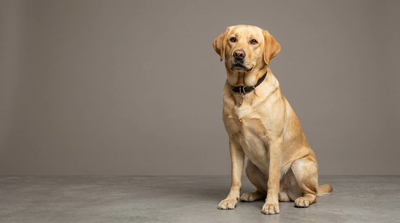

Shih Tzu
The Shih Tzu is one of India's most beloved apartment dogs — a small, silky-coated companion with a lion's history and a lap dog's heart. Originally bred for Chinese royalty, this affectionate toy breed adapts beautifully to Indian urban homes but requires dedicated grooming, climate-smart care, and a vet-guided diet to truly thrive across India's varied seasons.
How to Care for a Shih Tzu
About Shih Tzus
The Shih Tzu is one of India's most popular apartment dogs — compact, deeply affectionate, and surprisingly adaptable to urban living. This ancient toy breed, whose name translates from Mandarin as "Lion Dog," was bred over a millennium ago as a cherished companion for Chinese and Tibetan royalty. Today, Vettofit's veterinary team sees this silky-coated charmer thriving in 2BHKs from Bangalore to Bhopal though with very specific care requirements that every Indian pet parent must understand before bringing one home.
Shih Tzus are what veterinarians call a brachycephalic breed flat-faced dogs with a shortened skull structure. This distinctive appearance, while endearing, means their nasal passages are narrower than most breeds, making efficient panting difficult. In India's warm, humid climate, this single anatomical fact shapes almost every aspect of Shih Tzu care: how long they can exercise, when they go outdoors, and why AC is not a luxury but a genuine health requirement for this breed.
For families, seniors, or working professionals in Indian metros, a well-cared-for Shih Tzu is one of the most rewarding companion animals you can have. They ask for your company more than your time, your lap more than your garden, and your affection more than miles of walking. With the right knowledge, caring for one is manageable even joyful. Without it, the grooming demands and heat sensitivity can catch new owners off guard.
🐾 Shih Tzu - Key Facts at a Glance
- Weight: 4–7 kg (adults); males and females are similar in size
- Height: 23–27 cm at the shoulder
- Lifespan: 10–16 years one of the longer-lived small breeds
- Coat: Long, flowing double coat; low-to-moderate shedder but high grooming demand
- Exercise: 20–30 minutes per day; two short, gentle walks
- Ideal for: Apartments, nuclear families, seniors, first-time pet parents with time for grooming
- Not ideal for: Homes without AC, owners who cannot commit to daily brushing, very active lifestyles
Breed Appearance, Size & Weight
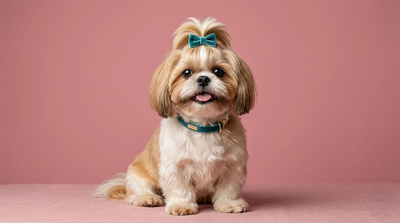
Shih Tzus weigh between 4–7 kg and stand 23–27 cm tall - a size that fits perfectly in a 2BHK, a lap, and your heart. Their most striking feature is their long, silky double coat that flows to the floor when left to full length, available in a wide spectrum of colours including gold, white, black, brindle, liver, blue, silver, and red often in striking multi-colour combinations.
Their flat face, large dark eyes, and upturned nose give Shih Tzus an unmistakably expressive look curious, warm, and always slightly dramatic. Their tail curls up and over the back in a characteristic plume, and their compact, sturdy body belies how much personality they pack in. Despite their toy classification, Shih Tzus are solidly built and not fragile — though their eyes and snout require careful monitoring.
Males
Weight: 4–7 kg | Height: 23–27 cm | Build: Compact and sturdy, well-proportioned for their small frame
Females
Weight: 4–7 kg | Height: 23–27 cm | Build: Very similar to males; females may be very slightly lighter on average
Coat
Long, dense, flowing double coat. The undercoat is soft and woolly; the topcoat is silky and straight to slightly wavy. Low shedder but mats easily without daily brushing. Many Indian owners opt for a "puppy cut" (4–5 cm all-over trim) for easier year-round maintenance.
Coat Colours
Black, White, Gold, Brindle, Liver, Blue, Silver, Red and many combinations thereof. Gold-and-white and black-and-white are most common in India. All colour variations are equally valid and healthy.
Eyes & Face
Large, dark, round eyes with a warm, alert expression. Eyes are prominent and require daily cleaning at the inner corner to prevent tear staining a near-universal cosmetic concern in Indian humidity. Short muzzle with a black (or liver) nose. Brachycephalic structure requires monitoring for breathing difficulty.
Grooming
Grooming is the single biggest commitment of Shih Tzu ownership and it is one that must begin on day one, before habits form and before the coat becomes unmanageable. A Shih Tzu left ungroomed for even a week in India's humidity can develop painful mats close to the skin, especially around the ears, armpits, and groin. Daily brushing is not a luxury routine; it is a health requirement for this breed.
Brushing — The Non-Negotiable Daily Habit
Shih Tzus must be brushed daily, ideally with a pin brush followed by a fine-toothed metal comb through the ears and legs. Work in sections from the skin outward, not just across the surface — mats form at the base of the coat, not the tips. For Indian pet parents who keep their Shih Tzu in a puppy cut (a shorter all-over trim of 4–5 cm), brushing every alternate day is workable, but daily is always better. Never brush a dry, dirty coat lightly mist with a conditioning spray first to prevent breakage.
Bathing — India-Specific Schedule
Bathe your Shih Tzu every 3–4 weeks in cooler months and every 2–3 weeks during monsoon (June–September) and summer, when outdoor exposure and humidity accumulate debris in the coat faster. Always dry the coat completely especially around the ears and skin folds immediately after bathing. Leaving a Shih Tzu partially damp in India's monsoon humidity is a direct invitation to fungal skin infections and yeast overgrowth. Use a cool-to-warm (never hot) hair dryer on a low setting, or allow drying in an air-conditioned room.
Eyes — Daily Cleaning is Essential
Shih Tzus are prone to tear staining the reddish-brown discharge that accumulates at the inner corner of the eye. In Indian humidity, this can become a source of irritation and bacterial growth if not cleaned daily. Use a soft, damp cloth or cotton pad (or vet-approved eye wipes) to gently wipe from the inner corner outward. Never use the same pad twice. If you notice cloudiness, excessive discharge, or your dog pawing at their eyes, consult your vet promptly eye problems in Shih Tzus can escalate quickly.
Ears — Weekly Checks, Monthly Cleans
Check your Shih Tzu's ears once a week especially during monsoon. Their pendant, hair-covered ears reduce airflow, making the ear canal warm and moist: the perfect environment for yeast and bacteria. Signs of infection include head-shaking, scratching at the ear, redness, or an unusual smell. Clean with a vet-approved ear cleaner once a month routinely, and immediately after any swimming or full bath.
Nails & Dental Care
Trim nails every 3–4 weeks. A dog whose nails click on the floor is a dog with nails that are too long this affects gait and joint health over time. Dental disease is one of the top health concerns in Shih Tzus, whose small mouths lead to crowded teeth and rapid tartar buildup. Brush your Shih Tzu's teeth at least 3 times a week with a dog-formulated toothpaste and a small-breed toothbrush. Start this from puppyhood to make it a familiar, unthreatening routine.
Shih Tzus with dull coats, persistent skin itching, or heavy seasonal shedding often have an underlying Omega-3 deficiency especially common in dogs on Indian home-cooked or commercial kibble diets. Vettofit's Wild-Caught Alaskan Salmon Oil delivers concentrated EPA and DHA Omega-3 fatty acids that nourish the skin barrier, reduce inflammatory itch, and restore the silky coat shine this breed is known for. Most Indian Shih Tzu parents report visible coat improvement within 3–4 weeks.
Explore Salmon Oil →Training
Shih Tzus are intelligent, curious dogs with an independent streak a combination that makes them trainable but occasionally maddening. They were bred for centuries as pure companion animals, not working dogs, which means they have little intrinsic motivation to "perform" commands. What works is making training feel like a game rather than a drill. Patience, positive reinforcement, and short sessions of 5–10 minutes are the pillars of successful Shih Tzu training in any home.
Puppyhood (8 Weeks – 6 Months) The Golden Window
The first six months of your Shih Tzu's life are the most important for establishing habits. Begin with sit, stay, and come the moment your puppy arrives home. Use tiny, high-value treats (a small piece of boiled chicken, not a full biscuit) and mark correct behaviour immediately with a calm "yes" or a clicker. Shih Tzus respond best to short, reward-based sessions of 5–10 minutes patience and positive reinforcement always outperform firmness with this breed. Never use punishment-based training; this breed shuts down emotionally when intimidated.
House Training in Indian Homes
House training a Shih Tzu requires consistency and a designated spot either a specific patch of your balcony, a pee pad near the door, or an outdoor area. Take your puppy out every 2 hours, immediately after meals, and right after waking. Praise generously when they toilet in the right place. Shih Tzu puppies typically take 3–4 months to become reliably house-trained; some individuals take up to 6 months. This is normal for the breed not stubbornness, just a slower developmental pattern.
India-Specific Socialisation
Indian streets are loud, unpredictable, and full of novel stimuli that Western breed guides never address. Begin socialisation early and deliberately:
- Street dogs: Teach your Shih Tzu to walk calmly past street dogs using treat-based distraction and distance management sudden encounters can be stressful for a breed this small.
- Traffic and horns: Start with quiet lane walks and gradually introduce busier roads. Mumbai and Delhi traffic can overwhelm an unsocialised small dog.
- Diwali fireworks: Begin desensitisation training in September play firework sound recordings at low volume during mealtimes to create a positive association. Melatonin supplements (consult your vet for dose) can help on high-cracker nights.
- Visitors: Indian households often have frequent guests. Let your Shih Tzu approach new people at their own pace never force greetings. This breed is sociable but on their own terms.
Diet & Nutrition
The most common nutritional mistake Indian Shih Tzu parents make is sharing home-cooked sabzi onions and garlic, even in small amounts, damage a dog's red blood cells and must never be given. Shih Tzus have sensitive stomachs and are more prone to food allergies and digestive upset than many other breeds. A thoughtful, consistent diet is one of the most protective things you can do for their long-term health.
Feeding by Life Stage
Puppies - 8 Weeks to 12 Months
Feed 3–4 small meals per day. Puppies under 3 months should have food available at all times to prevent hypoglycaemia (dangerous low blood sugar, a real risk in tiny toy breed puppies). Choose a high-quality small-breed puppy food with real chicken or fish as the first ingredient. Portion size: approximately 1 oz of food per pound of body weight per day, divided across meals. Introduce new foods gradually over 5–7 days to prevent digestive upset.
Adults - 1 to 7 Years
Feed 2 measured meals per day morning and evening. An average adult Shih Tzu (5–6 kg) needs approximately 35 calories per kilogram of body weight per day. Avoid free-feeding; this breed gains weight easily and obesity worsens their breathing difficulty. A half-to-one cup of quality small-breed kibble per day (split across two meals) is a common starting point adjust based on your vet's guidance and your dog's individual weight.
Seniors - 7+ Years
Reduce calorie intake by approximately 10–15% as activity decreases. Prioritise joint-supportive ingredients (Omega-3 fatty acids, glucosamine). Senior Shih Tzus often develop dental disease that makes hard kibble painful soaking kibble in warm water or transitioning to a wet food component can improve food intake and comfort. Schedule dental check-ups with your vet every 6 months from age 7 onward.
Home-Cooked Diets — Indian Context
Many Indian pet parents feed home-cooked food, which can be excellent if done correctly. A balanced home-cooked meal for a Shih Tzu includes boiled chicken or fish (unseasoned), plain white rice or roti (small amount), and cooked vegetables like carrots, peas, or sweet potato. The critical rule is no seasoning, no salt, no spices, no shared dal or sabzi. Indian cooking heavily uses onions and garlic both are toxic to dogs at any quantity. Even a small amount of tadka can accumulate to harmful levels with daily feeding.
Foods That Are Dangerous for Shih Tzus in Indian Homes
- Onions and garlic - Found in nearly all Indian cooking; cause haemolytic anaemia in dogs. Even small daily exposures accumulate to dangerous levels.
- Grapes and raisins - Both cause acute kidney failure in dogs; raisins are especially concentrated. Common in Indian sweets and trail mixes.
- Chocolate and tea/coffee - Theobromine (chocolate) and caffeine are toxic. Indian mithai with chocolate coatings are a risk.
- Milk in large quantities - Many adult dogs are lactose intolerant. Small amounts of curd (plain, unseasoned) are generally fine; milk and ice cream in quantity cause diarrhoea.
- Spiced or salted food - Salt toxicity is real; excess sodium causes vomiting, tremors, and in severe cases, seizures.
- Maida and fried snacks - No nutritional value; contribute to obesity and digestive upset.
Indian home-cooked diets — even well-intentioned ones — often miss the precise micronutrient balance small breeds like the Shih Tzu need for gut health, immunity, and coat quality. Vettofit Nutri-Topper is a vet-formulated daily supplement powder made with natural, human-grade ingredients including turmeric, probiotics, and essential vitamins. Simply sprinkle over your Shih Tzu's regular meal — it works with both kibble and home-cooked food. Especially useful for picky eaters who turn their nose up at unfamiliar textures.
Explore Nutri-Topper →Health & Common Issues
Shih Tzus are a brachycephalic breed - their flat-faced anatomy means they struggle to pant efficiently, making Indian summer heat (above 32°C) genuinely dangerous for this breed. Understanding the health conditions this breed is predisposed to allows you to prevent problems before they become crises. The Shih Tzu's average lifespan of 10–16 years reflects a generally resilient constitution but only when their specific vulnerabilities are actively managed.
Brachycephalic Obstructive Airway Syndrome (BOAS)
BOAS is the umbrella term for the breathing difficulties caused by the Shih Tzu's compressed facial anatomy narrowed nostrils, an elongated soft palate, and a narrowed trachea. Signs range from mild (snoring, snorting, exercise intolerance) to severe (laboured breathing at rest, bluish gums, collapse). Mild BOAS is present in many Shih Tzus and manageable with lifestyle adjustments (avoiding heat, using a harness instead of a collar, preventing obesity). Severe BOAS requires surgical correction consult a veterinary surgeon if your dog shows pronounced breathing difficulty at rest.
Eye Conditions
The Shih Tzu's prominent, round eyes are beautiful and vulnerable in equal measure. This breed is predisposed to corneal ulcers (scratches on the surface of the eye), dry eye (keratoconjunctivitis sicca), and progressive retinal atrophy. In India's dusty, polluted urban environments especially in Delhi, Mumbai, and Bangalore the risk of eye irritation and corneal damage is elevated. Any cloudiness, squinting, pawing at the eye, or excessive discharge warrants a same-day vet visit. Eye conditions in Shih Tzus can deteriorate from mild to sight-threatening within 24–48 hours.
Dental Disease
Dental disease is the single most common health problem in Shih Tzus globally. Their small jaws accommodate a full complement of adult teeth in a compressed space, leading to crowding, plaque accumulation, and early periodontal disease. Indian Shih Tzu owners who do not brush their dog's teeth regularly frequently face professional dental cleaning costs of ₹4,000–₹10,000 per procedure under anaesthesia by age 3–4. Prevention through daily brushing, dental chews, and regular vet checks — costs a fraction of that and protects the dog from chronic pain.
Patellar Luxation
Patellar luxation (slipping kneecap) is common in many small breeds, including the Shih Tzu. Affected dogs may skip a step intermittently, or suddenly hold a back leg up while walking. Mild cases are managed with weight control and joint supplements; severe cases require surgical intervention. Annual orthopaedic checks from age 2 onward are recommended for this breed.
India-Specific Health Risks
- Tick-borne diseases: Ehrlichiosis, babesiosis, and anaplasmosis are year-round risks in Indian cities. Shih Tzus' long, dense coats make tick detection more difficult than in short-coated breeds — check the groin, armpits, between toes, and around the ears at every grooming session. Use a vet-recommended tick prevention treatment monthly.
- Monsoon ear infections: India's monsoon humidity is the single biggest trigger for ear infections in Shih Tzus. The breed's pendant, hair-covered ear flaps combined with high ambient humidity create a perfect environment for yeast overgrowth. Weekly ear checks and monthly cleaning are non-negotiable from June through September.
- Skin yeast infections: In India's humidity, Shih Tzus commonly develop Malassezia (yeast) overgrowth especially in skin folds around the face, neck, and groin. Signs include a musty smell, redness, and itching. A cool, dry indoor environment and thorough post-bath drying are the best preventive measures.
- Heat stress and heatstroke: In India, ambient temperatures from March to June routinely exceed the safety threshold for brachycephalic breeds. Heat stress begins when body temperature rises above 39.4°C; heatstroke — a life-threatening emergency — occurs at 41.1°C and above. Signs of heat stress include rapid, noisy panting, red gums, thick saliva, weakness, and stumbling. Move the dog to a cool room immediately, apply cool (not cold) water to the paw pads and belly, and call your vet.
Preventive Care Schedule for India
- Vaccinations: DHPPiL (core), Rabies, Kennel Cough - follow your vet's schedule; typically annual boosters after the puppy series
- Deworming: Every 3 months in India (year-round parasite pressure)
- Tick and flea prevention: Monthly, year-round — especially critical during and after monsoon
- Dental check: Every 6 months from age 2 onward
- Eye check: At every vet visit — request a fluorescein stain test if any eye concerns exist
- Annual health screen: Blood panel, organ function check from age 7 onward
Exercise
Shih Tzus need only 20–30 minutes of exercise per day - but in India's summer months, even this modest walk must happen before 7 AM or after 7 PM to prevent heat stress. This is one of the few breeds where less is more when it comes to physical activity. Over-exercising a Shih Tzu especially in India's heat causes more harm than a sedentary day on the sofa ever would.
Daily Exercise Recommendations by Season
Summer (March–June)
Restrict all outdoor activity to before 7 AM and after 7 PM. Limit walks to 10–15 minutes maximum even in the mornings, Indian summer air by 8 AM can be dangerously warm for a brachycephalic dog. Use the Hot Pavement Test: press the back of your hand on the pavement for 5 seconds. If it's uncomfortable for your hand, it will burn your Shih Tzu's paw pads. Indoor play — fetch down a hallway, gentle tug, sniff games with hidden treats provides mental enrichment without heat exposure.
Monsoon (June–September)
Monsoon walking brings three risks for Shih Tzus: wet paws (fungal infection), puddle bacteria (leptospirosis), and wet coats (skin infections). Walk only in well-drained areas. Dry paws and belly thoroughly after every outing. The silver lining: slightly cooler temperatures make morning walks more comfortable. Keep your dog's leptospirosis vaccination current this bacterial disease is waterborne and prevalent in Indian cities during monsoon.
Winter (November–February)
India's winter is the Shih Tzu's favourite season. In cities like Bengaluru, Pune, and Hyderabad, 15–25°C temperatures are ideal for this breed. Extend walks to 20–30 minutes, add a midday stroll if your schedule allows, and enjoy outdoor time in parks. In North Indian cities like Delhi or Lucknow where winters are colder, use a small dog jacket for early morning walks when temperatures drop below 10°C.
Indoor Enrichment — Beyond the Walk
Because outdoor exercise is restricted for so much of India's year, indoor mental enrichment matters enormously for Shih Tzus. Puzzle feeders, treat-stuffed toys, sniff mats, and short training sessions of 5–10 minutes provide the cognitive stimulation that prevents boredom and destructive behaviours. A mentally stimulated Shih Tzu is a calmer, better-behaved companion and significantly less likely to bark incessantly at the neighbour's door.
Living With a Shih Tzu in India
Despite their regal origins, Shih Tzus thrive in Indian apartments - they are one of the few breeds that genuinely prefers indoor living, making them ideal for metro pet parents in Bengaluru, Mumbai, Hyderabad, Pune, Chennai, or Delhi. They do not need a garden. They do not need a running partner. They need you your company, your lap, and a cool room to nap in after their morning walk.
Apartment Suitability
Shih Tzus are among the best apartment dogs available to Indian pet parents. Their modest exercise requirements, low bark frequency (compared to many small breeds), and deep contentment with indoor living make them a genuinely practical choice for a 1BHK or 2BHK home. They do not pace, they do not need to run, and they are not destructive when their mental needs are met. The primary infrastructure requirement is reliable air conditioning or a consistently cool indoor environment during April–October.
With Children
Shih Tzus generally get on well with children, particularly those who understand how to interact with a small dog. Their gentle temperament makes them forgiving, but their small size makes them physically vulnerable to rough handling. Teach children to sit on the floor when playing with the dog (rather than picking them up and dropping them), to approach calmly, and never to disturb them during sleep. Shih Tzus are not typically snappy, but any dog will bite if hurt or cornered — supervision with children under 7 is always recommended.
With Other Pets
Shih Tzus are generally sociable with other dogs and can coexist well with cats, particularly if introduced during puppyhood. In Indian joint-family homes where multiple pets are common, a Shih Tzu will typically integrate well — though their small size means interactions with larger, boisterous breeds need supervision until a comfortable dynamic is established.
Cost of Ownership in India (2026 Estimates)
Puppy Adoption
Basic/non-pedigree: ₹20,000–₹35,000 | KCI-registered pedigree: ₹40,000–₹60,000 | Show-quality/imported lineage: ₹70,000–₹1,00,000+. Metro cities (Bengaluru, Mumbai, Delhi) command higher prices. Consider adoption Shih Tzus do appear in rescue organisations and shelters, particularly in major cities.
Monthly Running Costs
Food (quality small-breed kibble or home-cooked): ₹2,000–₹4,000 | Professional grooming (monthly): ₹1,500–₹3,000 (depending on city and salon) | Supplements: ₹500–₹1,500 | Routine vet visits: ₹500–₹1,500 per visit. Budget ₹4,000–₹8,000/month for basic routine care; more in years requiring dental cleaning or health interventions.
Breed Availability in India
Shih Tzus are widely available across India, including in Tier 2 cities. Source only from KCI-registered breeders who provide health certificates and allow you to meet the puppy's mother. Avoid pet shops and online platforms with no verifiable breeder information these are common sources of puppy mill dogs with undiagnosed health issues. Adoption through breed-specific rescues or general shelters in Bengaluru, Mumbai, and Delhi is always a compassionate option worth exploring.
Breed History & Origin
The Shih Tzu's name translates from Mandarin as "Lion Dog" - a breed revered by Chinese emperors for over 1,000 years before arriving in India. This is one of the oldest dog breeds in existence, with molecular evidence suggesting the Shih Tzu is among the most ancient of all domestic dog breeds — closer genetically to wolves than most modern breeds.
The breed is believed to have originated in Tibet, where Tibetan Buddhist monks kept them as sacred companions and occasionally gifted them to Chinese emperors. By the Ming Dynasty (1368–1644 AD), Shih Tzus were fixtures of the Imperial Court, bred exclusively within palace walls and considered living emblems of good fortune. Owning one outside the palace was, at certain points in Chinese history, punishable by death a testament to how fiercely the breed was guarded.
Shih Tzus nearly became extinct during the Chinese Revolution. The entire modern global Shih Tzu population descends from just 14 dogs - 7 male and 7 female — that survived. The breed was introduced to the UK in the 1930s by Lady Brownrigg, and gained recognition from The Kennel Club (UK) in 1940. The American Kennel Club recognised the breed in 1969. In India, the Shih Tzu arrived in meaningful numbers during the 1990s and 2000s, growing steadily alongside India's urban pet care boom. Today, they consistently rank among India's top 10 most popular companion breeds, particularly in metro cities where their apartment suitability and affectionate nature are prized.
Frequently Asked Questions
Can a Shih Tzu survive in India's hot climate?
Shih Tzus can live happily in India with proper management, but they cannot tolerate high heat without support. As a brachycephalic (flat-faced) breed, their ability to cool themselves through panting is limited. Air conditioning or a reliably cool indoor environment is essential from March through October in most Indian cities. Outdoor walks must be restricted to before 7 AM and after 7 PM during summer. With these adjustments, Indian Shih Tzus live long, healthy, comfortable lives but they are not a breed suited to homes without climate control.
How often does a Shih Tzu need professional grooming in India?
Shih Tzus in India typically need professional grooming every 4–6 weeks more frequently during monsoon when humidity accelerates coat tangling and skin issues. Between professional sessions, daily home brushing is non-negotiable. Many Indian Shih Tzu parents opt for a short "puppy cut" (4–5 cm all-over trim) that is both easier to maintain at home and more practical in India's warm climate. The full-length show coat seen in competitions requires daily grooming of 15–20 minutes and is rarely practical for everyday Indian pet parents.
What should I feed my Shih Tzu in an Indian home?
Adult Shih Tzus in India do well on a high-quality small-breed kibble, a quality home-cooked diet of unseasoned boiled chicken or fish with plain rice and cooked vegetables, or a combination of both. The critical rules: no onions, no garlic (common in Indian cooking and toxic to dogs), no spiced food, and no free-feeding. Shih Tzus are prone to obesity, which worsens their breathing difficulties. Two measured meals per day morning and evening is the recommended feeding structure for adults.
Are Shih Tzus good for first-time pet parents in India?
Shih Tzus are a reasonable choice for first-time Indian pet parents who are prepared for two specific commitments: daily grooming and reliable air conditioning. Their temperament is forgiving, their exercise needs are modest, and they adapt beautifully to apartment living. The learning curve is primarily around grooming which requires consistent daily brushing from day one and understanding their heat sensitivity. First-time owners who do their research before bringing a Shih Tzu home consistently report them to be rewarding, deeply affectionate companions.
What supplements does Vettofit recommend for Shih Tzus in India?
Vettofit's veterinary advisors recommend two supplements for most Indian Shih Tzus: Wild-Caught Alaskan Salmon Oil for coat health, skin barrier support, and Omega-3 EPA/DHA (especially important for Shih Tzus prone to skin allergies and dull coats in Indian humidity), and Nutri-Topper as a daily nutrition supplement for dogs on home-cooked or commercial diets that may not fully meet small-breed micronutrient requirements. Both products are formulated with natural, human-grade ingredients and are suitable for Shih Tzus from 12 weeks of age. Consult your vet before starting any new supplement.
How do I stop my Shih Tzu's face from staining?
Tear staining - the reddish-brown discolouration around the eyes is a near-universal cosmetic concern in Shih Tzus, particularly in India's humid climate. The most effective approach is prevention: clean the inner corner of both eyes daily with a damp cotton pad, ensure the face fur is kept trimmed away from the eyes, and use a stainless steel or ceramic water bowl (plastic can harbour bacteria that worsen staining). Persistent heavy staining may indicate a blocked tear duct, eye infection, or food allergy consult your vet if daily cleaning does not gradually improve the staining over 4–6 weeks.
This article is for informational purposes only and does not substitute professional veterinary advice. Please consult your vet before making changes to your pet's diet or health routine. Content reviewed by the Vettofit veterinary advisory team, June 2026.