
Beagle
The Beagle is one of India's most loved family dogs — a compact, merry scent hound originally bred in England who has found a very happy home in Indian apartments, colonies, and hearts. With a short, easy-care coat and a temperament that is equal parts curious and cuddly, Beagles adapt well to India's climate and thrive on family life — though their legendary nose and vocal nature do come with a few things first-time parents should know.
How to Care for a Beagle
About Beagles
If you have ever seen a Beagle trotting confidently down a Bangalore apartment corridor — nose barely an inch from the floor, tail held high like a little white flag, ears flopping with every step — you already understand what this breed is about. Pure, unfiltered curiosity, wrapped in one of the most charming small-to-medium packages in the dog world.
Beagles are scent hounds at heart, bred in England to track rabbits and small game across open countryside. In India today, that nose has a very different job — sniffing out the neighbour's tiffin, mapping every inch of the park, and occasionally discovering your children's hidden snacks with alarming accuracy. Their hunting drive is very much alive, even if the quarry has changed. This is a breed that lives through its nose, and understanding that one fact makes everything else about living with a Beagle make sense.
What makes Beagles genuinely well-suited to India is their compact size, short low-maintenance coat, robust health, and deeply social nature. They do not demand acres of space. They do not need a bungalow. They adapt gracefully to 2BHK apartments, joint families, children of all ages, and the beautiful chaos of Indian home life — provided they get their daily exercise and mental engagement. Where Beagles struggle is in silence and solitude; this is a pack-oriented breed that was never designed to be alone.
Among Tier 1 Indian cities, Beagles consistently rank in the top five most owned breeds. They are popular in Mumbai's apartment buildings, beloved in Bangalore's pet-friendly communities, and a familiar sight in Delhi's parks. Their trainability — while requiring patience — and their gentle, non-aggressive temperament make them forgiving for first-time pet parents. And that merry, slightly-madcap personality? It has a way of turning even the most hesitant pet parent into a lifelong dog lover.
Breed Appearance, Size & Weight
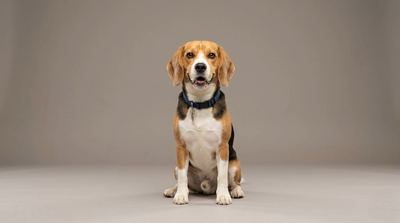
The Beagle is a sturdy, squarely-built hound with a slightly domed skull, a broad, deep muzzle, and those iconic long, velvety ears that hang well below the jawline. Their dark brown or hazel eyes carry a gentle, pleading expression that experienced Beagle owners will tell you is deployed strategically — almost always around mealtimes.
One of the Beagle's most charming physical features is the white tip on its tail — a feature intentionally preserved during breeding so that hunters could spot their dogs in tall grass. Even if your Beagle's only hunting ground is your living room, that little white flag still waves proudly with every wag.
Standard Beagle — Males
Height: 36–41 cm at the shoulder
Weight: 10–11 kg
Build: Muscular, compact, well-proportioned
Standard Beagle — Females
Height: 33–38 cm at the shoulder
Weight: 9–10 kg
Build: Slightly finer frame, equally sturdy
Pocket Beagle (Miniature)
Height: Under 33 cm
Weight: Under 7 kg
Note: Not a separate registered breed — a size variation. Same care requirements apply.
Coat & Colours
Short, dense, weather-resistant double coat. Classic tricolour (black, tan, white) is most common in India. Also seen in lemon & white, red & white, and chocolate tricolour.
The coat is smooth and dense — never silky, never wiry. It provides modest weather protection and sheds moderately year-round, with heavier shedding in seasonal transitions (particularly March–April and October–November). The coat's short length means it is one of the more manageable double coats for Indian conditions — it dries quickly after baths and after monsoon walks, and it does not trap heat the way longer double coats do.
Grooming
Beagles are refreshingly low-maintenance on the grooming front — no professional grooming sessions every six weeks, no elaborate de-matting routines, no breed-specific clips. What they do need is consistent routine care, particularly around their ears, which are the breed's most vulnerable grooming point in India's climate.
Coat Brushing
Brush 2–3 times per week using a soft-bristle brush or rubber grooming mitt. This removes loose hair before it ends up on your sofa, distributes natural skin oils, and gives you a regular opportunity to check for any skin irregularities — rashes, tick attachments, or early signs of allergy-related redness. During shedding seasons (March–May and October–November), increase brushing to daily to manage the heavier coat turnover.
Bathing
Once every 3–4 weeks is ideal under normal Indian conditions. In summer, you may bathe slightly more frequently — every 2–3 weeks — to keep the coat fresh in the heat. Use a gentle, pH-balanced dog shampoo. Avoid human shampoos entirely, as they disrupt the skin's natural barrier. After every bath, ensure ears are completely dry — place a dry cotton ball at the entrance of each ear canal to absorb moisture, then gently wipe with a clean cloth.
Ear Care — The Most Critical Routine
Clean your Beagle's ears once a week — without exception. Use a vet-approved ear cleaner on a cotton pad. Wipe gently within the visible portion of the ear canal; never insert anything deeper. Signs that an ear infection has already taken hold: persistent scratching at ears, a yeasty or sour odour, dark waxy discharge, or the dog shaking its head frequently. See your vet promptly — ear infections that are caught early are straightforward to treat; ones that are ignored for weeks can become deeply embedded and painful.
Nails, Teeth, and Eyes
Trim nails every 3–4 weeks. If you can hear clicking on your floor tiles, they are overdue. Brush teeth 2–3 times a week with a dog-safe toothpaste — Beagles are moderately prone to tartar build-up. Check eyes during grooming sessions; Beagles can develop cherry eye (a prolapsed third eyelid gland), which requires veterinary attention and should not be left untreated.
Beagles are one of the more allergy-prone breeds — their skin reacts to environmental triggers (dust, pollen, humidity) and food sensitivities. Vettofit's Wild-Caught Alaskan Salmon Oil delivers wild-source EPA and DHA Omega-3 fatty acids that work at the cellular level to reduce skin inflammation, strengthen the skin barrier, and visibly improve coat quality in 4 weeks. It also helps regulate the moderate shedding that Beagles experience year-round — particularly useful during India's humid monsoon months when skin issues tend to flare.
Explore Salmon Oil →Training
Here is the honest truth about training a Beagle: they are not stubborn because they are unintelligent. They are stubborn because they are extremely intelligent — and their intelligence is primarily devoted to scent. The moment your Beagle's nose catches something interesting, you have approximately two seconds before their brain has completely redirected its processing power away from whatever you were just teaching them.
This is not a character flaw. It is a feature. The Beagle was bred for centuries to independently follow a scent trail, ignoring distractions and the calls of a handler. That instinct is ancient and deep. Training a Beagle well means working with this nature, not against it.
The Golden Rule: Always Train On Leash or in an Enclosed Space
Recall training in Beagles is notoriously difficult — an off-leash Beagle that has picked up a scent trail is essentially deaf to commands until the trail ends. In India's cities and colonies, this creates a genuine safety risk. Always use a securely enclosed area for off-leash play. When walking in open areas — parks, maidan, beachfronts — keep your Beagle on a 6-foot leash minimum. A retractable lead is acceptable in wide open spaces, but snap it closed before passing other dogs, street food stalls, or anything else that might trigger a scent-sprint.
Training Approach That Works
- Positive reinforcement only — Beagles shut down under harsh correction. Reward-based training with high-value treats (small pieces of boiled chicken work brilliantly) produces far better results than any punitive approach.
- Short sessions — 10–12 minutes, twice daily, beats one 30-minute session that ends in a distracted dog and a frustrated parent.
- Nose games as reward — Hide a treat and let your Beagle "hunt" it. This channels scent drive constructively and is deeply satisfying for the breed — a 10-minute nose game tires a Beagle out as much as a 20-minute run.
- Start socialisation early — Expose puppies (from 8 weeks) to a wide range of sounds, people, and other animals. Indian-specific socialisation priorities include: autorickshaw horns, motorcycles, street dogs at a distance, children playing, domestic workers, and the sound of pressure cookers and ceiling fans.
Separation Anxiety
Beagles are pack animals. They were never designed to spend 8–10 hours alone in a flat — and in India's nuclear family apartment lifestyle, this is a very real challenge. Signs of separation anxiety in Beagles: persistent howling or baying, destructive chewing (especially near exit points like doors and gates), inappropriate urination, and refusing to eat when alone. If you work full-time, plan for a midday walk by a trusted dog walker, or consider whether a second dog might provide the company your Beagle instinctively craves.
Diet & Nutrition
If there is one universal truth about Beagles, it is this: they believe, with complete sincerity, that they are perpetually on the verge of starvation. This is not a health condition. It is a breed characteristic. Beagles have one of the most powerful food drives of any dog breed — they will beg, charm, manipulate, and occasionally steal their way to an extra meal. The responsibility of managing this falls entirely on their pet parent.
The Beagle Obesity Problem in India
Overweight Beagles are extremely common in Indian households. The causes are predictable: free-feeding, sharing rotis and rice from the family plate, well-meaning relatives dispensing biscuits and "just a small piece" of whatever is being eaten, and insufficient exercise. A Beagle carrying even 1.5–2 kg of excess weight is at significantly elevated risk for joint problems, diabetes, and a shortened lifespan. Measured meals at fixed times — no more, no less — are the most important thing you can do for your Beagle's long-term health.
Feeding Guidelines by Life Stage
Puppies (8 weeks – 6 months)
Three measured meals daily. High-quality puppy kibble or home-cooked meals with boiled chicken, rice, and steamed vegetables. Supplement with calcium from vet-approved sources for bone development. Never give raw bones to puppies.
Juniors (6 months – 1 year)
Transition to twice daily feeding. Portions should be adjusted as growth slows. Do not free-feed — Beagles at this stage are particularly prone to rapid weight gain as their activity stabilises.
Adults (1 – 7 years)
Two meals daily, consistent portions. A typical adult Beagle (10 kg) on a home-cooked diet needs approximately 80–100g of protein (boiled chicken or fish), 60–80g of cooked rice or roti, and a small amount of cooked vegetables per meal. Always confirm portions with your vet based on your dog's specific weight and activity level.
Seniors (7+ years)
Reduce caloric density but maintain protein quality. Add joint-supporting Omega-3s and probiotics. Senior Beagles should have a vet weight-check every 6 months — metabolic rate slows significantly after 7, and the obesity risk increases even without changing diet.
Indian Home-Cooked Diet — What Works and What Doesn't
Most Indian pet parents feed a home-cooked diet of rice, chicken, and dal — a foundation that works well for Beagles, provided a few rules are followed. Cook everything plain: no salt, no oil, no turmeric added to the dog's portion (while turmeric has health benefits for dogs, it should only be given in vet-recommended doses as a supplement, not from everyday cooking). Chicken should be boneless and boiled. Dal in small quantities is generally safe; avoid spiced preparations entirely.
Even the most carefully prepared home-cooked diet for Beagles misses key micronutrients — specific B-vitamins, trace minerals, and probiotics that are lost in cooking or simply absent from rice-chicken-vegetable combinations. Vettofit's Nutri-Topper is a vet-formulated daily nutrition supplement made with natural, human-grade ingredients including turmeric, probiotics, and essential vitamins — designed to be sprinkled directly over your Beagle's existing food. It supports gut health (a common weak point in the breed), boosts immunity, and bridges the nutritional gaps without requiring you to overhaul your dog's entire diet.
Explore Nutri-Topper →Hydration — Non-Negotiable
Beagles need constant access to fresh, clean water — especially in Indian summers and after exercise. A 10 kg adult Beagle should drink approximately 500–700 ml of water daily; more in summer. Use a stainless steel or ceramic bowl (plastic bowls harbour bacteria and can cause chin-fold skin issues). Change water twice daily in summer months.
Health & Common Issues
Beagles are a generally robust breed with a lifespan of 12–15 years — and with attentive care, many Indian Beagles reach the higher end of that range. That said, the breed does have a predictable set of health vulnerabilities that every Indian Beagle parent should understand and watch for.
Ear Infections (Otitis Externa)
By far the most common health issue seen in Indian Beagles. The long, pendulous ears trap heat and moisture — a perfect environment for yeast (Malassezia) and bacterial overgrowth. In India's humid coastal cities and during monsoon season, the risk is compounded significantly. Prevention: weekly ear cleaning as described in the grooming section. Treatment: always vet-prescribed — do not attempt to treat ear infections with home remedies or leftover medication. Untreated ear infections can progress to the middle ear and cause permanent hearing damage.
Obesity and Related Conditions
As discussed, obesity is the single most preventable health problem in Indian Beagles. An overweight Beagle is at significantly elevated risk for Type 2 diabetes, intervertebral disc disease (IVDD), hip dysplasia progression, heart disease, and pancreatitis. The rib test: you should be able to feel your Beagle's ribs easily under a thin layer of fat — not see them, but feel them without pressing hard. If you cannot, your dog is overweight and needs a vet-guided weight reduction plan.
Hypothyroidism
Beagles are genetically predisposed to an underactive thyroid. Signs in Indian Beagles include unexplained weight gain despite normal diet, lethargy, dull or thinning coat, and recurrent skin infections. Hypothyroidism is diagnosed with a blood test and managed with daily oral medication — once diagnosed, it is straightforward to treat and dogs return to normal energy levels within weeks.
Intervertebral Disc Disease (IVDD)
While more commonly associated with Dachshunds, Beagles can develop IVDD — disc herniation between the vertebrae that causes pain, weakness, and in severe cases, paralysis of the hindlimbs. Risk factors include obesity and high-impact jumping. Keep your Beagle at a healthy weight, and discourage repetitive jumping off high surfaces (sofas, car boots). Provide ramps or steps to assist older Beagles.
Cherry Eye
A prolapsed gland in the third eyelid that appears as a red fleshy mass in the inner corner of the eye. It looks alarming but is not an emergency — however, it does require veterinary attention and usually surgical correction. Do not attempt to push it back in at home.
Epilepsy
Beagles have a breed-level predisposition to idiopathic epilepsy. If your dog experiences seizures — sudden collapse, paddling limbs, loss of consciousness, drooling, or post-seizure disorientation — see a vet immediately. Epilepsy in Beagles can be managed very effectively with anti-seizure medication, and most dogs live full, normal lives once controlled.
India-Specific Health Risks
Tick-Borne Diseases
Year-round risk in most Indian cities. Beagles' low-to-ground movement pattern and love of sniffing in undergrowth makes them particularly tick-exposed. Check for ticks daily, especially behind the ears, between the toes, and in the groin area. Use a vet-recommended tick prevention product (oral or topical). If you see a tick, remove it with a tick-twisting tool — do not squeeze, burn, or use petroleum jelly. Common tick-borne diseases in India: ehrlichiosis, babesiosis, tick fever. Symptoms include sudden high fever, lethargy, loss of appetite — treat as a veterinary emergency.
Leptospirosis (Monsoon Risk)
Beagles who walk through puddles, open drains, or flood water during monsoon are at risk for leptospirosis — a bacterial infection spread through rat urine in contaminated water. Symptoms: high fever, vomiting, jaundice, reluctance to move. Leptospirosis is a veterinary emergency. Vaccinate annually (lepto vaccine is included in the standard F5/DHLPP schedule) and minimise exposure to standing water during and after heavy rains.
Heat Stress
Beagles handle Indian heat better than many breeds due to their short single coat and lean build — but they are not heatproof. Signs of overheating: heavy rapid panting, bright red gums, drooling, stumbling, or collapse. Emergency: move to shade, apply cool (not ice cold) water to the body — especially paws, groin, and neck — and get to a vet immediately. Heatstroke is a life-threatening emergency. Never leave a Beagle in a parked car.
Exercise
Beagles are a high-energy scent hound breed that needs — genuinely needs — at least 60–90 minutes of physical activity daily. This is not optional. A Beagle that does not get sufficient exercise will find its own stimulation: barking at neighbours, systematically disassembling your sofa cushions, or staging a prison break through whatever gap it can find in your boundary.
The good news: Beagles are enthusiastic, adaptable exercisers. They do not need a specific sport or a large plot of land. They need daily walks, ideally with stretches of sniff-time where the leash is long and they can follow their nose at their own pace. Nose-following is mentally exhausting for Beagles in the best possible way — a 30-minute sniff walk is more tiring than a 30-minute brisk walk.
Exercise by Age
Puppies (Up to 6 Months)
Follow the "5-minute rule" — 5 minutes of structured exercise per month of age, twice daily. An 8-week-old puppy needs only 10 minutes of gentle play; a 5-month-old is ready for 25-minute walks. Over-exercising young puppies risks growth plate damage. Free play in a safe enclosed space is ideal — let them set the pace.
Adults (1–7 Years)
Two walks daily — morning and evening — of 30–45 minutes each. Off-leash play in a secure enclosed space 3–4 times a week adds variety. Mental exercise (nose games, food puzzles, obedience training) is as important as physical exercise for this scent-driven breed.
Seniors (7+ Years)
Reduce intensity but maintain frequency. Two 20–30 minute gentle walks daily keep older Beagles mentally engaged without overloading ageing joints. Watch for stiffness after rest — this may indicate early arthritis and should be discussed with your vet.
Monsoon Exercise Alternatives
When heavy rain makes outdoor walks impossible, Beagles can get their mental workout indoors. Scatter-feeding (spreading kibble or Nutri-Topper across the floor and letting your dog nose it out) is a brilliant 20-minute nose workout. Staircase climbs, indoor fetch, and obedience training sessions all provide stimulation when Namma Bengaluru is underwater. Just be sure to dry paws thoroughly after any wet exposure and check for mud packing between the toes.
Living With a Beagle in India
Living with a Beagle in India is — and this is meant entirely as a compliment — an experience. They are funny, warm, occasionally maddening, perpetually hungry, and absolutely incapable of indifference. Every moment they are with you, they are engaged. And when they are not with you, they very much want to be.
Apartment Life
Beagles adapt very well to apartment living — a 2BHK or 3BHK is absolutely sufficient — provided the exercise requirement is met. What apartment-living Beagle parents must manage is the vocality. Beagles bay and howl — it is a breed-level communication style, not a misbehaviour. In a Mumbai high-rise or a Bangalore apartment complex, a baying Beagle can generate legitimate complaints from neighbours. Early training to manage separation-triggered baying, consistent exercise to keep energy levels appropriate, and puzzle feeders or toys to occupy the dog during your absence all make a significant difference.
Children and Family Life
Beagles are one of the best breeds for families with children. Their tolerant, playful temperament and appropriate medium size make them robust enough to handle the energetic play of older children, while gentle enough to be trusted with supervision around younger ones. They also slot remarkably well into joint families — the aunties, uncles, and grandparents who are typically home during the day provide the company and activity that Beagles thrive on.
Climate Across Indian Cities
Bangalore (Bengaluru)
Beagles are very well-suited to Bangalore's moderate climate. The 20–28°C year-round temperatures are close to ideal. The city's parks — Cubbon Park, Lalbagh, Ulsoor Lake — make excellent Beagle exercise grounds. Monsoon (June–September) ear care is the main seasonal concern.
Mumbai and Coastal Cities
High humidity year-round intensifies ear infection and skin infection risk. Weekly ear cleaning is essential. Air conditioning or good ventilation is recommended during the April–June pre-monsoon heat spike. Post-walk drying is critical through the monsoon.
Delhi and North India
Hot summers (40°C+) require strict exercise timing — before 7 AM and after 7 PM between April and June. Cold winters (below 10°C) are generally manageable for Beagles with their double coat. Provide a warm indoor sleeping area; outdoor kennels are not suitable in North Indian winters.
Chennai, Hyderabad, Ahmedabad
Hot and humid environments place higher thermal stress on Beagles. Year-round tick prevention is essential. Fresh water access must be constant. Air conditioning during peak summer hours (11 AM–5 PM) is recommended for well-being, not just comfort.
Cost of Ownership (Monthly Estimate in INR)
Monthly Running Cost — Adult Beagle in a Metro City
Food (quality kibble or home-cooked): ₹2,000 – ₹4,000
Tick/flea prevention: ₹300 – ₹600
Grooming supplies (brushes, shampoo, ear cleaner): ₹200 – ₹400
Vet consultation (averaged monthly): ₹500 – ₹1,000
Supplements (Salmon Oil + Nutri-Topper): ₹800 – ₹1,500
Toys and enrichment: ₹300 – ₹500
Estimated Monthly Total: ₹4,100 – ₹8,000
Beagle Availability and Ethical Sourcing in India
Beagles are widely available across India, but the market is unfortunately flooded with puppy mill-bred dogs sold through pet shops and online classifieds. These dogs often carry undetected health conditions and are separated from their mothers too early, leading to immune system and behavioural issues. If purchasing a Beagle, seek a KCI-registered breeder who will invite you to meet both parents, shows health clearances, and will not release puppies before 8 weeks of age. Alternatively — and this is genuinely worth considering — contact Beagle-specific rescue organisations or general breed rescues. Beagles are surrendered in moderate numbers across Indian cities, and a rescue Beagle makes just as devoted a companion as a puppy.
Breed History & Origin
The Beagle's history is one of the longest and most richly documented in the dog world — stretching back to England in the 1300s, with some historians tracing scent hound ancestors to ancient Greece. The name "Beagle" itself is thought to derive either from the Old French word "be'geule" (meaning "open throat" — a reference to their melodious bay) or the Old English "begle." Either etymology is fitting.
By the 15th and 16th centuries, Beagles were established favourites of the English aristocracy for rabbit and hare hunting. Queen Elizabeth I kept small "pocket Beagles" — dogs under 25 cm — that, legend holds, could be carried in a hunting coat pocket. King James I and later King George IV were also documented Beagle enthusiasts. The breed's utility as an independent scent tracker — able to work for hours without handler direction — made it invaluable to hunters across the British Isles and eventually across colonial territories worldwide.
The Beagle was formalised as a breed standard by the Beagle Club of England in 1890, and the American Kennel Club followed in 1885. The breed's international popularity grew steadily through the 20th century — cemented in popular culture by the world's most famous Beagle: Charles M. Schulz's Snoopy, who debuted in the Peanuts comic strip in 1950. Snoopy's curious, dreaming, food-obsessed personality was, frankly, remarkably accurate breed representation.
In India, Beagles arrived primarily during the colonial period as sporting dogs for British officers and administrators. Post-Independence, they gradually transitioned from working/sporting use to companion animals in Indian cities. Today, the Beagle ranks consistently among India's top five most registered purebred dogs with the KCI (Kennel Club of India), particularly popular in Bangalore, Mumbai, Delhi, and Hyderabad.
Frequently Asked Questions
Are Beagles good for first-time dog owners in India?
Yes — with one important caveat. Beagles are affectionate, forgiving, and adaptable, which makes them excellent for first-time parents. The caveat is their training challenge: the nose-driven independent streak requires patient, consistent positive reinforcement training from puppyhood. If you are committed to regular training and daily exercise, a Beagle is a wonderful first dog for Indian households.
Do Beagles suit apartment living in Indian cities?
Yes, a 2BHK or 3BHK apartment is entirely adequate for a Beagle — provided they get at least 60–90 minutes of exercise daily. The key apartment-specific challenge is their vocal nature: Beagles bay and howl when bored or anxious, which can affect your relationship with neighbours. Adequate exercise and mental stimulation are the most effective solutions — a well-exercised Beagle is a quiet Beagle.
How do Beagles handle Indian summer heat?
Better than most people expect. Their short, single-layered coat means they do not trap heat the way double-coated breeds do. That said, they are not heatproof: avoid all exercise between 9 AM and 6 PM from March to June, ensure constant fresh water access, provide a cool indoor rest space (shade and ventilation are minimum requirements; air conditioning is ideal in cities with 40°C+ summers), and watch for signs of overheating — heavy panting, red gums, or lethargy after outdoor time.
Why does my Beagle never seem full?
This is one of the Beagle's most famous (and challenging) breed characteristics. Beagles have an exceptionally powerful food drive and a limited satiety signal — essentially, they are physiologically prone to always feeling hungry. This is why free-feeding is dangerous for the breed and measured, twice-daily meals are essential. The behaviour is not a sign of malnutrition; it is a genetic trait. Puzzle feeders and food-dispensing toys can help slow eating and provide mental satisfaction.
What is the dog food topper for Beagle India parents most recommend?
The most important nutritional principle for Indian Beagles fed a home-cooked diet is supplementing what home cooking misses — specific B-vitamins, trace minerals, and probiotics. A vet-formulated daily supplement that can be sprinkled over existing food bridges these gaps without requiring a diet overhaul. Look for one with natural, human-grade ingredients, no artificial preservatives, and third-party testing — the same standards you would apply to your own food.
This article is for informational purposes only and does not substitute professional veterinary advice. Please consult your vet before making changes to your pet's diet or health routine. Content reviewed by the Vettofit veterinary advisory team, March 2026.