
Indian Spitz
The Indian Spitz is one of India's most beloved family dogs a cloud of fluffy white fur packed with intelligence, loyalty, and endless personality. Adapted from German Spitz lines during the British colonial era, this breed has thrived in Indian homes for generations and is perfectly suited to apartment living across Bangalore, Mumbai, Delhi, and beyond. With proper grooming, balanced nutrition, and consistent training, the Indian Spitz makes a joyful, devoted companion for first-time pet parents and experienced families alike.
How to Care for a Indian Spitz
About Indian Spitz Dogs
There is a very good chance that the fluffy white dog your neighbour in Delhi had in the 1990s the one every child in the building adored was an Indian Spitz. For decades, this breed was arguably the most common pet dog in urban India, a fixture in apartments from Kolkata to Mumbai, beloved for its cloud-like coat, big personality, and uncanny ability to make even the most reluctant family member fall completely, irreversibly in love.
The Indian Spitz is an intelligent, spirited, and deeply affectionate companion dog. Often mistaken for a Pomeranian or a miniature Samoyed, the Indian Spitz is in fact its own distinct breed one that has been shaped by India's diverse climates and living conditions over more than a century. Despite a dip in popularity during the 2000s when imported breeds became fashionable, the Indian Spitz is enjoying a well-deserved revival, with search interest growing by over 40% between 2022 and 2025, driven by a new generation of pet parents rediscovering what makes this breed so special.
What makes the Indian Spitz exceptional is not just how it looks though a well-groomed Spitz in full fluff is genuinely a show-stopper but how it fits into Indian life. This is a breed that thrives in a 2BHK apartment, bonds deeply with every member of the household including children and elders, adapts reasonably well to India's climate with a little seasonal care, and requires a moderate (not extreme) commitment to exercise. It is playful without being destructive, vocal without being aggressive, and loyal without being clingy. In short: it is one of the best family dogs India has ever produced.
Breed Appearance, Size & Weight
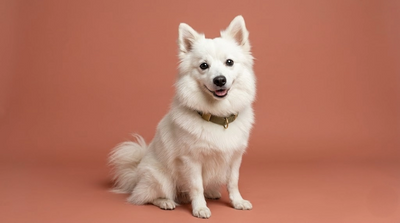
The Indian Spitz has a distinctly fox-like face with a pointed muzzle, dark almond-shaped eyes that sparkle with intelligence, and small triangular ears that stand permanently erect giving the breed its characteristic alert, curious expression. The body is well-proportioned and compact, the tail curls gracefully over the back in the classic Spitz fashion, and the overall silhouette is softened and transformed by an extraordinarily dense double coat.
The coat is the Indian Spitz's most defining feature: a soft, cotton-wool undercoat beneath a longer, slightly harsh outer coat that stands away from the body and gives the breed its distinctive "fluffy cloud" appearance. Most Indian Spitz dogs are white or cream-coloured, though light brown and black individuals exist. The mane around the neck and chest is particularly full and lion-like, making the breed look considerably larger than it actually is.
The Indian Spitz comes in two size varieties, which matters when choosing a dog suited to your home and lifestyle:
Lesser Indian Spitz
Weight: 5–7 kg
Height: 22–25 cm at shoulder
Best for: Small apartments, first-time pet parents, households with limited space. Easier to manage for grooming and transport.
Greater Indian Spitz
Weight: 12–20 kg
Height: 35–45 cm at shoulder
Best for: Larger apartments, independent homes, active families. Often compared in size to the Samoyed at a glance.
Coat & Colour
Coat type: Double coat - dense soft undercoat + longer outer coat
Coat length: Long, especially around neck, chest, and tail
Common colours: White (most common), cream, light brown, black
Shedding: Moderate year-round with heavy seasonal shedding twice yearly
Lifespan & Build
Lifespan: 12–16 years - one of the longest-lived medium breeds
Build: Compact, well-muscled, slightly longer than tall
Ears: Small, erect, triangular
Tail: Plumed, curled over the back
Eyes: Dark brown to black, oval - white dogs may have eye discharge staining
Grooming
The Indian Spitz's magnificent coat is one of the breed's greatest assets and the one that requires the most consistent care. The double coat is a natural insulator, protecting the dog from both heat and cold, but it is also a magnet for tangles, shed hair, dust, and particularly in Indian conditions ticks and fleas that find excellent hiding spots in the dense undercoat. Grooming an Indian Spitz is not occasional maintenance; it is a regular practice that, when done right, keeps your dog healthy, comfortable, and absolutely stunning.
Brushing
Brush your Indian Spitz's coat a minimum of 3–4 times per week using a slicker brush followed by a double-row metal comb to penetrate the undercoat. During seasonal shedding (typically March–May and October–November), daily brushing becomes necessary to manage the heavy "coat blow" when the undercoat sheds en masse and loose fur can accumulate visibly on furniture and clothing. A deshedding rake or undercoat rake used gently once weekly during peak shedding season will significantly reduce the volume of fur you find on your sofa.
Always brush before bathing never after as wet tangles become tight mats that are painful to remove. Work in sections, starting from the neck, moving to the back, then the chest mane, and finally the legs and tail. The chest mane and the area behind the ears are the most tangle-prone zones pay special attention to these.
Bathing
Bathe your Indian Spitz once every 4–6 weeks using a gentle, pH-balanced dog shampoo. Avoid overbathing the coat has natural oils that maintain its texture and shine, and frequent bathing strips these away, leading to dryness and skin irritation. In the monsoon season, your Spitz may need bathing more frequently due to muddy walks and damp conditions, but always ensure thorough drying afterward a damp undercoat is a breeding ground for skin fungal infections. Use a towel followed by a low-heat blow dryer, working with the coat direction to maintain fluffiness.
India-Specific Monsoon & Summer Grooming
- Monsoon (July–September): Check paws and skin folds after every outdoor session. The warm, damp conditions increase risk of fungal infections between toes and in ear canals. Dry thoroughly, always. Consider a mild anti-fungal paw soak after muddy walks.
- Summer (March–June): Increase brushing frequency the coat needs to be tangle-free so air can circulate closer to the skin. Check for tick infestations weekly, paying particular attention behind ears and between toes.
- Tick prevention: Indian Spitz's dense coat provides ideal cover for ticks. Use a vet-recommended tick prevention treatment year-round. After every outdoor walk, run a fine-tooth comb through the coat and check the ears, armpits, and between toes.
Ears, Eyes, Nails & Teeth
- Ears: Clean weekly with a vet-approved ear cleaning solution. White Indian Spitz dogs are prone to ear infections moisture and debris accumulate easily in their ear canals. Signs of infection: redness, odour, head shaking, or frequent scratching at ears.
- Eyes: White and cream Indian Spitz dogs commonly develop tear staining — brown or reddish streaks below the inner eye corner. Wipe gently daily with a damp cotton pad. If discharge is excessive or coloured (yellow/green), consult your vet.
- Nails: Trim every 3–4 weeks. Long nails affect gait and can lead to joint stress over time, particularly in small dogs prone to patellar luxation. If you can hear your dog's nails clicking on the floor, they are overdue for a trim.
- Teeth: The Indian Spitz is prone to dental disease brush teeth 2–3 times weekly with dog-safe toothpaste. Provide dental chews between brushing sessions. Small breeds accumulate tartar more quickly than large breeds.
Indian Spitz dogs shed significantly during seasonal coat blows, and a diet deficient in Omega-3 fatty acids makes shedding worse and the coat appear dull and coarse between blows. Our Wild-Caught Alaskan Salmon Oil delivers EPA and DHA Omega-3 directly to the skin and coat reducing excess shedding, supporting skin barrier health (especially important for Spitz dogs prone to skin allergies), and giving the coat a natural shine and softness that no amount of external conditioning alone can achieve. Visible improvement is typically seen within 3–4 weeks of daily supplementation.
Explore Salmon Oil →Training
The Indian Spitz is one of the more trainable companion breeds in India intelligent, eager to please, and motivated by positive reinforcement. They pick up basic commands quickly and genuinely enjoy learning, making them a rewarding choice for first-time pet parents willing to put in consistent effort. The key word is consistent: the Indian Spitz is smart enough to identify inconsistency in rules and will cheerfully exploit it. If jumping on visitors earns attention sometimes and gets corrected other times, your Spitz will choose the behaviour that gets the most reaction usually jumping.
Puppy Training Timeline
8–12 Weeks: Foundation
Start name recognition, sit, come, and no immediately. Use a quiet, calm environment. Attention spans are short keep sessions to 3–5 minutes. Begin crate training as a safe space (not a punishment). Introduce handling of ears, paws, and mouth to normalise grooming.
12–16 Weeks: Socialisation Window
This is the single most critical period. Expose your puppy to different sounds, surfaces, people, children, and other vaccinated dogs. In India, this means gradual, positive exposure to auto-rickshaws, street dogs visible from a distance, market sounds, and the general organised chaos of Indian streets. A well-socialised Spitz puppy becomes a confident, calm adult.
4–6 Months: Expanding Commands
Add stay, leave it, down, and leash manners. Begin recall training in a secure area the Indian Spitz's curious nature means a good recall command is genuinely important for safety. Introduce gentle boundary training for balconies and staircases.
6–12 Months: Adolescence
The testing phase. Hormonal changes may make your previously obedient puppy selectively "forget" commands. Stay consistent, increase mental stimulation, and consider enrolling in a group obedience class. Spitz dogs enjoy the social environment of training classes.
Barking Management — The Most Important Skill
The Indian Spitz is a natural watchdog with a vocal personality. This is a wonderful trait they will alert you to the doorbell, to strangers, to the building guard doing rounds at midnight. It becomes a problem when barking is allowed to become the default response to every stimulus. The most effective strategy is the "quiet" command: when your Spitz barks, calmly say "quiet," wait for the briefest pause in barking, and immediately reward with a treat. This teaches the dog that quiet earns rewards, not more barking. Never shout it sounds like barking back to your dog and escalates the behaviour.
India-Specific Socialisation Notes
- Street dogs: Walk your Spitz pup near (not with) street dogs so they develop calm, neutral responses not fear or aggression
- Children: Indian Spitz are generally excellent with children, but teach children to approach calmly and not to grab the dog's tail or ears Spitz dogs will communicate discomfort before snapping, but it is better to prevent the situation
- The biscuit-offering uncle at the park: Politely ask well-meaning strangers not to feed your dog without permission. Indian Spitz are excellent snack negotiators, prone to obesity, and freely offered biscuits add up quickly
- Festival sounds: Beyond Diwali, the Indian Spitz may react to the sounds of Holi celebrations, neighbourhood loudspeakers, and construction. Early, gradual exposure reduces reactivity significantly
Diet & Nutrition
Feeding an Indian Spitz correctly is one of the highest-impact things you can do for their long-term health. This breed is prone to obesity especially the Lesser variety and excess weight puts direct stress on their joints, predisposing them to patellar luxation and accelerating the onset of other orthopedic issues. A measured, consistent, life-stage-appropriate diet is not optional for a Spitz; it is foundational to their wellbeing.
Feeding by Life Stage
Puppies (6 Weeks – 6 Months)
Feed 3–4 small meals per day. Puppies have high energy requirements relative to body size. Choose a high-quality puppy-specific food with meat as the first ingredient. Avoid free-feeding (leaving food out all day) set structured meal times from day one to establish healthy eating habits and make weight monitoring easier.
Juveniles (6–12 Months)
Transition to 2–3 meals per day. Gradually shift from puppy to adult food between 8–10 months. The Indian Spitz reaches physical maturity around 12 months. Continue measuring portions carefully this is when weight gain often begins if portions are not managed.
Adults (1–8 Years)
Two measured meals daily morning and evening at consistent times. Use a measuring scoop, never estimate by eye. A general guideline for small-medium breeds: 80 calories per kg of body weight per day, adjusted for activity level. Your vet can calculate the precise amount for your dog's specific weight and build.
Seniors (8+ Years)
Transition to a senior-specific formula with reduced calories and increased fibre. Consider adding glucosamine-rich foods or a vet-recommended joint supplement. Smaller, more frequent meals (3x daily) can help senior dogs with slower digestive systems. Monitor weight closely many seniors gain weight as activity decreases.
Indian Home-Cooked Diets: The Real Picture
Many Indian pet parents feed home-cooked meals to their Spitz dogs a mix of rice, chicken, eggs, vegetables, and curd. This is not inherently wrong, but it requires careful nutritional planning. The most common issue our vets see is nutritional imbalance: home-cooked diets are typically adequate in carbohydrates and protein but deficient in essential minerals, vitamins, and the precise fatty acid ratios dogs need for long-term health. If you are feeding a home-cooked diet, work with your vet to identify and address these gaps.
Safe Indian Foods in Moderation
- Yes: Cooked boneless chicken, eggs (boiled or scrambled no oil), steamed carrots, pumpkin, sweet potato, cooked rice, curd/dahi (small amounts), paneer (occasional)
- No: Onion, garlic, spicy food, fried food, dal seasoned with tadka, biscuits (high in sugar and salt), milk in large quantities, bones from cooked chicken (cooked bones splinter dangerously)
Whether your Indian Spitz eats kibble, home-cooked food, or a combination, daily nutritional supplements help cover the gaps that even a well-intentioned diet can leave. Vettofit Nutri-Topper is a vet-formulated daily supplement made with natural, human-grade ingredients including turmeric, probiotics, and essential vitamins designed to support gut health, coat quality, joint function, and overall immunity. Simply add it to your dog's regular meal. It is especially useful for Indian Spitz dogs prone to skin sensitivities and digestive irregularities from diet variation.
Explore Nutri-Topper →Health & Common Issues
The Indian Spitz is a generally robust and long-lived breed one of the benefits of generations of natural selection in Indian conditions. With proper preventive care, a healthy Indian Spitz can comfortably live 12–16 years, making them one of the longer-lived dog breeds in India. However, like all breeds, they have specific health predispositions that every owner should understand.
Breed-Specific Health Conditions
Patellar Luxation (Slipping Kneecap)
The most common orthopedic issue in the Indian Spitz particularly the Lesser variety. The kneecap periodically slips out of its normal position, causing intermittent lameness, a distinctive "skip" in the gait, or reluctance to jump. Mild cases are managed with weight control and joint support; severe cases may require surgical correction. Watch for any limping, skipping steps, or sitting with one leg extended to the side.
Dental Disease
Small and medium breeds have disproportionately crowded teeth, accelerating tartar accumulation and gum disease. Indian Spitz dogs are particularly susceptible. Untreated dental disease leads to pain, tooth loss, and bacteria entering the bloodstream affecting the heart, kidneys, and liver over time. Brush teeth 2–3 times weekly and schedule a professional dental cleaning at your vet annually.
Skin Allergies & Sensitivities
The dense double coat can trap allergens, moisture, and debris against the skin. Indian Spitz dogs are prone to environmental allergies (dust mites, grass pollen, monsoon moulds) and occasionally food allergies. Signs include excessive scratching, licking paws, red patches on the belly or inner thighs, and recurring ear infections. Dietary Omega-3 supplementation and regular grooming significantly reduce flare-up frequency.
Eye Conditions
Indian Spitz dogs are predisposed to corneal ulcers (abrasions on the eye surface), progressive retinal atrophy (gradual vision loss genetic), and keratoconjunctivitis sicca ("dry eye" insufficient tear production). Signs: eye redness, squinting, discharge, cloudiness, or bumping into objects. Annual eye examinations are recommended, especially for older Spitz dogs.
Obesity
Arguably the most common health issue in pet Indian Spitz dogs and entirely preventable. The breed has a very effective "I'm starving" expression that successfully manipulates well-meaning owners into overfeeding. Excess weight directly exacerbates patellar luxation, reduces lifespan, and stresses the heart. Weigh your dog monthly and measure all food portions.
Hip Dysplasia (Greater Variety)
More relevant for the Greater Indian Spitz abnormal development of the hip joint leading to arthritis and pain. Signs: reluctance to exercise, difficulty rising, bunny-hopping gait. Maintain a healthy weight, provide appropriate exercise, and ask your vet about joint support supplementation after age 5.
India-Specific Health Risks
- Tick-borne diseases (year-round): Ehrlichiosis, babesiosis, and Rocky Mountain spotted fever are prevalent across Indian cities. The Indian Spitz's thick coat hides ticks effectively. Use a monthly vet-recommended tick preventive and check for ticks after every outdoor excursion.
- Leptospirosis (monsoon season): A bacterial disease transmitted through water contaminated by infected animal urine a significant risk during floods and waterlogged conditions. Vaccine is available and recommended for dogs that walk on city streets. Avoid letting your dog drink from puddles or stagnant water during monsoon season.
- Fungal skin infections (monsoon): A damp coat left improperly dried creates ideal conditions for fungal and bacterial skin infections. Thorough post-walk drying is non-negotiable in monsoon months.
- Heat stress: Despite being better adapted to Indian conditions than pure German Spitz dogs, the Indian Spitz remains vulnerable to heatstroke in peak summer. Limit walks to before 7 AM and after 6 PM between April and June.
Preventive Care Schedule
| Age | Vaccines / Preventives | Other Care |
|---|---|---|
| 6–8 weeks | First combination vaccine (DHPPiL) | Deworming, physical exam |
| 10–12 weeks | Second combination vaccine + Leptospirosis | Deworming, start tick/flea preventive |
| 14–16 weeks | Third combination + Rabies | Deworming, heartworm prevention (if in high-risk area) |
| 6 months | Rabies booster (if required by local schedule) | Consider spay/neuter discussion with vet |
| Annual | Booster vaccines + Rabies (3-yearly) | Full physical, dental check, weight monitoring, tick/flea/heartworm prevention year-round |
| 6+ years | Annual boosters | Add semi-annual senior bloodwork, eye exam, joint assessment |
Exercise
The Indian Spitz has moderate exercise requirements more than a Shih Tzu, less than a Border Collie, perfectly calibrated for an urban Indian lifestyle. This is a dog that genuinely enjoys physical activity but is equally content with indoor play when outdoor conditions are extreme. Their exercise needs are primarily driven by mental stimulation as much as physical output: a bored Indian Spitz is a vocal Indian Spitz.
Daily Requirements by Age
Puppies (Up to 6 Months)
Short, frequent play sessions of 10–15 minutes, 3–4 times daily. No forced long walks puppy joints and growth plates are still forming. Free play in a safe indoor or enclosed space is ideal. Mental stimulation (basic training, food puzzles) is equally important.
Adolescents (6–18 Months)
Gradually increase to two 20–30 minute walks daily plus indoor play. Introduce fetch, tug, and hide-and-seek games. This is the phase when mental stimulation (training classes, puzzle feeders) helps channel their energy constructively.
Adults (18 Months – 8 Years)
Two 30-minute walks daily plus 15–20 minutes of active indoor play. Indian Spitz dogs enjoy fetch, chase games, and agility-style indoor obstacle courses made from household furniture. A well-exercised adult Spitz is calm, focused, and quiet in the home.
Seniors (8+ Years)
Reduce walk duration and intensity based on your dog's cues. Two shorter, gentle walks of 15–20 minutes daily are usually appropriate. Swimming (in clean water) is excellent low-impact exercise for older dogs with joint issues. Watch for signs of fatigue or discomfort during exercise.
India-Specific Exercise Adjustments
Summer (March–June): Exercise only before 7 AM and after 6 PM when pavement temperatures are safe. Do the five-second pavement test before walks place your palm flat on the pavement; if it is uncomfortable after five seconds, it is too hot for your dog's paws. Carry water on every walk and return home at the first sign of heavy panting, slowing down, or seeking shade.
Monsoon (July–September): Embrace indoor exercise on rainy days. Staircase walks within the building, indoor fetch down a corridor, training sessions, and puzzle feeders all count as meaningful physical and mental exercise. If walking in the rain, dry your Spitz thoroughly immediately upon return focus on the undercoat, paw pads, and ear canals.
Winter (November–February): The Indian Spitz's ideal season. Morning walks between 7–10 AM are perfect cool, energising, and manageable. Evening walks after 5 PM when the air cools are equally enjoyable. This is the season when your Spitz will be at their most enthusiastic and energetic outdoors.
Living With an Indian Spitz in India
The Indian Spitz is, in many ways, the dog India has been living with all along. Its apartment-friendliness, its adaptability, its tolerance for the rhythms of Indian family life the joint family kitchen, the visiting relatives, the festival-season noise, the neighbourhood park walks make it one of the most naturally suited breeds for Indian urban life. If you are wondering whether your lifestyle and living situation can accommodate this breed, the honest answer for most Indian urban households is: yes, with a few mindful adjustments.
Apartment Suitability
Both the Lesser and Greater Indian Spitz adapt well to apartment life, provided their exercise needs are met consistently. The Lesser variety is particularly well-suited to compact urban spaces a 1BHK or 2BHK in Bangalore, Mumbai, or Hyderabad is entirely appropriate for a Lesser Spitz. The Greater variety benefits from a 2BHK or larger and regular access to outdoor spaces for walks. Both varieties need mental stimulation to prevent boredom barking a behavioural issue that can become a problem in apartment buildings with thin walls and society rules around noise.
With Children
The Indian Spitz is an excellent family dog and generally wonderful with children of all ages. They are playful without being rough, gentle without being timid, and genuinely enjoy the energy and attention that children bring. Teach children to interact respectfully no grabbing ears or tails, no disturbing the dog during meals, and always approaching calmly rather than rushing. A well-socialised Spitz and a child who has been taught appropriate dog interaction make one of the best companionship pairs in pet keeping.
With Other Pets
Indian Spitz dogs generally coexist well with other dogs and cats, particularly when introduced correctly during puppyhood. Their natural sociability works in their favour. Introductions with resident cats should be gradual keep the Spitz on leash for initial meetings, allow the cat to retreat at will, and reward calm behaviour. With other dogs, parallel walks (walking side by side without direct face-to-face interaction) before allowing direct meetings reduces tension significantly.
Climate Considerations by City
Bangalore & Pune
Very well-suited. Moderate climate year-round makes this breed particularly comfortable. Summer management is simpler than in Delhi or Mumbai. The only concern is monsoon fungal infections standard care protocols apply.
Mumbai & Chennai
Manageable with care. High humidity can cause skin issues and make the dense coat uncomfortable in peak summer. Air-conditioned living spaces, monsoon grooming protocols, and summer exercise timing adjustments are important here.
Delhi & Northern India
Excellent for winters (the breed genuinely enjoys cool weather), but summer heat requires careful management. Exercise before 7 AM and after 7 PM in May–June. Indoor cooling is essential during peak summer afternoon hours.
Kolkata & Northeast India
The humidity requires the most vigilant monsoon grooming routine. Skin fungal issues are most common in this region. Ensure thorough post-walk drying and regular coat checks. Consider monthly professional grooming during monsoon season.
Cost of Ownership in India
Monthly Expenses (approximate, 2026)
Puppy price (one-time): ₹3,000 – ₹15,000 (KCI registered, quality breeder)
Quality dog food: ₹1,200 – ₹2,800/month (small-medium breed)
Professional grooming: ₹600 – ₹1,200 per session (every 6–8 weeks)
Routine vet visits: ₹500 – ₹2,000 per visit
Annual vaccinations & preventives: ₹1,500 – ₹3,000
Accessories, toys, enrichment: ₹500 – ₹1,000/month
Total monthly average: ₹3,000 – ₹6,000 (excluding one-off expenses)
Breed Availability & Ethical Sourcing
The Indian Spitz is one of the most accessible dog breeds in India in terms of both availability and price. Well-bred, healthy individuals are genuinely available in the ₹3,000 – ₹15,000 range from reputable breeders — a fraction of the cost of imported breeds. However, "affordable" should not mean "from any source." Always purchase from a breeder who:
- Allows you to visit the puppy's environment and meet the mother
- Provides vaccination records and deworming history
- Does not push very young puppies (under 8 weeks) - separation before 8 weeks causes lasting behavioural issues
- Is transparent about the puppy's health and parentage
Adoption is always a meaningful option. Indian Spitz dogs appear regularly in shelters and breed-specific rescue groups young adults and even puppies are often available for adoption at a fraction of the purchase price, and come with the added reward of giving a deserving dog a second chance.
Breed History & Origin
The Indian Spitz's origin story is, like much of modern India's story, intertwined with the British colonial period. During the 19th century, British officials and military personnel stationed in India brought their European Spitz-type dogs with them. The German Spitz a European working and companion dog with the characteristic double coat and fox-like face arrived in India during this period, and over generations of selective breeding in Indian conditions, a distinct type emerged: smaller, more heat-tolerant, more adaptable to tropical and subtropical climates, and better suited to the Indian diet and living context.
By the mid-20th century, the Indian Spitz had become a widely recognised and beloved breed across urban India. In the 1980s and 1990s the era before the liberalisation of import regulations that allowed foreign breeds to flood the Indian pet market the Indian Spitz was arguably the most popular pet dog in the country. There are very few Indian families of that generation who don't have a memory attached to a fluffy white dog with bright, sparkling eyes. The breed earned affectionate nicknames including "Indian Pomeranian" (for its resemblance to the imported breed) and "India's Lassie" for its loyalty and intelligence.
The early 2000s saw a decline in the breed's popularity as foreign breeds like the Labrador, Golden Retriever, and Pomeranian became aspirational status symbols. The Indian Spitz was unjustly perceived as a lesser option common, affordable, and therefore undervalued. However, the 2020s have brought a meaningful revival. A growing movement among Indian pet parents toward climate-appropriate, ethically sourced, and naturally adapted breeds has put the Indian Spitz back where it belongs: recognised, celebrated, and cherished. The Kennel Club of India (KCI) officially recognises the Indian Spitz, and efforts to document and preserve the breed's distinct characteristics are ongoing.
Frequently Asked Questions
Is the Indian Spitz good for first-time dog owners in India?
Yes - the Indian Spitz is one of the best choices for first-time dog owners in India. They are intelligent and eager to please, which makes training rewarding rather than frustrating. They adapt well to apartment living, bond closely with their families, and have moderate (not extreme) exercise requirements. The one area first-time owners should prepare for is grooming the double coat requires consistent, regular brushing. Build the habit early and you will find it becomes a cherished bonding ritual rather than a chore.
Is the Indian Spitz the same as a Pomeranian?
No - they are distinct breeds, though the resemblance is striking. The Indian Spitz is generally larger than the Pomeranian (especially the Greater variety), has a longer, slightly less rounded muzzle, and a different origin history. The Indian Spitz was developed in India from German Spitz lines, while the Pomeranian is a smaller, selectively bred breed from the Pomerania region of Europe. The Indian Spitz is also better adapted to Indian climatic conditions and typically more robust in temperament and health than the delicate Pomeranian.
How do I manage Indian Spitz shedding at home?
Consistent brushing is the single most effective strategy brush 3–4 times weekly with a slicker brush and undercoat comb, increasing to daily during the two annual shedding seasons (March–May and October–November). A de-shedding rake used once weekly during peak shedding removes large volumes of loose undercoat before it reaches your furniture. Omega-3 supplementation through dietary fish oil also reduces excessive shedding by supporting skin and coat health from within. A regular professional grooming session every 6–8 weeks significantly helps manage coat volume.
Can an Indian Spitz handle Bangalore's summers?
Yes - Bangalore's relatively mild climate makes it one of the more comfortable Indian cities for an Indian Spitz. Even so, summer months (March–May) require exercise timing adjustments: walks should happen before 7 AM and after 6 PM when pavement temperatures are safe and ambient temperatures are lower. Ensure access to fresh, cool water throughout the day. A well-groomed coat (free of tangles and mats) allows better air circulation and thermal regulation never shave the coat in summer, as it paradoxically protects against heat.
How much does an Indian Spitz cost in India per month?
Total monthly ownership costs for an Indian Spitz typically range from ₹3,000 to ₹6,000, covering quality food (₹1,200–₹2,800), grooming supplies or professional sessions (₹600–₹1,200 every 6–8 weeks), and routine care. One-time puppy purchase costs range from ₹3,000 to ₹15,000 from reputable breeders making the Indian Spitz one of the most affordable yet rewarding breed choices in India. Annual veterinary expenses (vaccinations, preventives, and routine checks) typically add ₹5,000–₹12,000 per year.
Why does my Indian Spitz bark so much, and how do I manage it?
Barking is a deeply ingrained instinct in the Indian Spitz they are natural watchdogs bred to be alert and vocal. Excessive barking is most commonly caused by insufficient exercise, boredom, separation anxiety, or allowed habits that were never corrected. The most effective management combines consistent daily exercise, mental stimulation (training, puzzle feeders), the taught "quiet" command rewarded with positive reinforcement, and avoiding inadvertently rewarding barking by giving attention (even negative attention) when it occurs. Never use punishment it increases anxiety and worsens barking. Consult a professional behaviourist if barking is severe or accompanied by anxiety.
This article is for informational purposes only and does not substitute professional veterinary advice. Please consult your vet before making changes to your pet's diet, health routine, or supplement plan. Content reviewed by the Vettofit veterinary advisory team, June 2026.