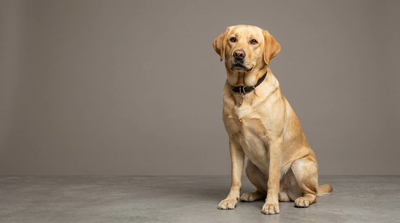

Indian Pariah Dog (Indie)
The Indian Pariah Dog lovingly called the Indie or INDog is one of the world's most ancient and naturally evolved dog breeds, shaped by thousands of years of Indian life. Fiercely loyal, remarkably healthy, and perfectly built for India's climate and chaos, the Indie is not just a "street dog" it is a companion with 4,500 years of Indian history in its DNA. For pet parents ready to embrace this extraordinary desi breed, this guide covers everything you need to raise a happy, healthy Indie at home.
How to Care for a Indian Pariah Dog (Indie)
About Indian Pariah Dogs
Long before the first Labrador arrived in India by ship, before the German Shepherd became a status symbol in Delhi colonies, there was the Indie. The Indian Pariah Dog also called INDog, Desi Dog, or simply Indie has been sharing space with Indian families for over 4,500 years. Cave paintings in Bhimbetka, one of the oldest human settlements in India, show dogs that look remarkably like the modern Pariah. This is not coincidence. The Indie is not a stray of uncertain origin. It is a distinct, ancient landrace shaped not by selective human breeding, but by thousands of generations of natural selection across India's plains, coasts, forests, and monsoon corridors.
What that evolutionary history produces is extraordinary: a dog with one of the most genetically diverse canine profiles in the world, a robust immune system rarely seen in purpose-bred breeds, near-zero predisposition to heritable disorders, and a body built to thrive in exactly the climate that defeats so many imported breeds. The Indie does not need to "adapt" to Indian summers, Indian monsoons, or Indian street food smells because India literally made this dog. And yet, despite all of this, the Indie remains one of the most underestimated and under adopted breeds in the country.
If you have adopted or are considering adopting an Indie, you have made a genuinely meaningful choice. The Indie is loyal, intelligent, alert, trainable, and when raised in a loving home with proper nutrition and care an absolutely extraordinary companion. This guide, written by the veterinary team at Vettofit, gives you everything you need to raise your Indie well.
Breed Appearance, Size & Weight
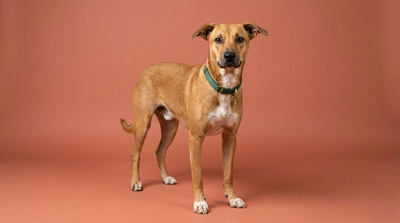
The Indie has a classic primitive dog silhouette medium-sized, lean-muscled, and built for endurance rather than bulk. Their wedge-shaped head, upright ears, almond-shaped eyes, and tucked-up abdomen are hallmarks of natural selection at work. Everything about their body is efficient: their short, double-layered coat repels heat and dries quickly in the rain; their well-padded paws handle both scorching summer tar and muddy monsoon lanes with equal ease.
Colour variation is wide the most common is solid fawn or reddish-brown, but you will find Indies in black, piebald (pied), brindle, and combinations of these. Fully black Indies are relatively uncommon. Their tail is typically curved upward in a gentle sickle shape when relaxed or alert, and carried flat when calm and resting.
Males
Height: 20–25 inches | Weight: 20–30 kg | Build: Lean-muscular, slightly taller frame
Females
Height: 18–23 inches | Weight: 15–25 kg | Build: Slightly smaller, equally athletic
Coat
Short to medium double coat. Outer layer coarse and weather-resistant. Undercoat soft. Moderate seasonal shedding heavier during summer-to-monsoon transition (April–June). No trimming required.
Colours
Fawn (most common), reddish-brown, brown, black, pied (white with patches), brindle. Eye colour: typically dark brown to amber.
Lifespan
13–16 years on average. Some well-cared-for Indies live to 17–18 years — among the longest of any dog breed in India. This is a direct result of their low hereditary disease burden.
Grooming
Here is one of the Indie's most celebrated advantages: they are remarkably low-maintenance on the grooming front. Their short double coat is self-cleaning to a significant degree, dries quickly, and does not tangle or mat. You are not looking at daily brushing sessions or expensive grooming appointments every six weeks. But "low maintenance" does not mean "no maintenance" and understanding the Indie's seasonal coat behaviour will keep them comfortable and healthy year-round.
Brushing
Brush your Indie once or twice a week with a soft-bristle brush or rubber grooming mitt. During the April–June shedding peak (when the undercoat releases before monsoon), increase to every other day. This removes dead hair before it ends up on your sofa, reduces skin irritation, and importantly gives you the opportunity to check for ticks, which is the single biggest external parasite concern for Indies in India. Run your fingers firmly along the neck, ears, between the toes, and under the "armpits" every time you brush.
Bathing
Once every 3–4 weeks is sufficient for most Indies living indoors. If your Indie is a regular park visitor in Bengaluru or a morning walker along Mumbai's seafront, you may bathe more frequently during monsoon when mud and moisture accumulate on the paws and belly. Always use a mild, pH-balanced dog shampoo never human shampoo, which strips the natural oils from their coat. After a monsoon walk, always dry the paws, ears, and skin folds thoroughly to prevent fungal growth.
Ears
The Indie's upright, open ears are actually an advantage over floppy-eared breeds airflow prevents the warm, moist environment that fungal ear infections need. Still, check inside the ears weekly. A healthy ear is pale pink, odour-free, and has minimal wax. During monsoon, if your Indie has been playing in water or rain, gently dry the outer ear canal with a soft cloth. Never probe deeply with cotton buds.
Nails & Paws
Indies who walk on paved surfaces (footpaths, roads, parking lots) will naturally wear their nails down and may rarely need clipping. Indies who mostly walk on grass or soft surfaces will need nails trimmed every 4–6 weeks overgrown nails alter their gait and put unnecessary strain on the joints. Check paw pads after summer walks for cracking or heat damage.
Teeth & Dental Care
Dental disease is one of the most underdiagnosed conditions in Indian dogs across all breeds. Brush your Indie's teeth 2–3 times a week with a dog-safe toothpaste (never use fluoride human toothpaste it is toxic to dogs). Dental chews 2–3 times a week between brushing sessions also help. Schedule an annual professional dental check at your vet, especially after age 5.
Indies are more susceptible to skin allergies, tick-related coat damage, and dry skin during India's harsh summers than their resilient reputation suggests. Vettofit's Wild-Caught Alaskan Salmon Oil provides EPA and DHA Omega-3 fatty acids that directly support the skin barrier, reduce inflammation behind chronic itching, and restore coat lustre with visible results typically within 4 weeks of daily use.
Explore Salmon Oil →Training
Here is something that surprises many first-time Indie parents: the Indian Pariah Dog is an exceptionally quick learner. Their thousands of years of survival-by-intelligence means they are attuned to human cues, read body language acutely, and problem-solve at a level that rivals working breeds. What trips up some owners is misreading Indie independence as stubbornness. Your Indie is not being difficult they are asking: "Why should I do this? Make it worth my while." Once you answer that question correctly, the training clicks fast.
The Indie Training Philosophy: Positive, Not Punishing
Indies have a long memory for both positive and negative experiences. Harsh corrections, raised voices, or punishment-based training will erode trust quickly and may trigger defensive behaviours in a dog whose survival instincts are still very close to the surface. Positive reinforcement treats, praise, play works dramatically better, faster, and creates a bond that lasts. A treat pouch and consistent short sessions (10–15 minutes, twice a day) will get you further in 2 weeks than months of frustrated repetition.
Puppy Training Timeline (8 weeks – 6 months)
8–12 Weeks: Name, "Sit," Basic Recall
Start with name recognition immediately. Call their name → treat → reward. "Sit" is the first command. Keep sessions under 5 minutes puppies have short attention spans. Never scold for accidents; simply redirect.
12–16 Weeks: "Stay," "Down," Leash Introduction
Introduce the collar and leash indoors before outdoor walks. Let them drag a light leash inside the house for a few days before attaching you to the other end. "Down" is the single most useful safety command — practice daily.
16–24 Weeks: Socialisation Sprint
This is the most critical window. Expose your Indie to as many new people, sounds, surfaces, and situations as possible gently and positively. In India specifically: auto-rickshaws, delivery bikes, festival sounds, crowds, other dogs, children, and elderly family members. An Indie socialised well in this window becomes an easy, confident adult dog.
India-Specific Socialisation: What Your Indie Needs to Meet
- Street dogs near your home: Controlled, calm introductions on neutral ground (not at your gate) prevent territorial confrontations on walks.
- Festival sounds: Begin sound desensitisation well before Diwali. Play recordings of crackers at very low volume during positive activities (feeding, play). Gradually increase over weeks. Never force exposure.
- The biscuit-distributing neighbourhood uncle: Teach a "leave it" command and brief your neighbours Parle-G biscuits and khari are not appropriate dog snacks and create begging habits that are hard to break.
- Building watchmen and domestic staff: Indie dogs can be wary of new people entering their territory. Introduce household staff slowly, with you present, and ask them to offer treats to build positive associations.
Diet & Nutrition
The Indian Pariah Dog evolved over millennia as a scavenger near human settlements surviving on grain scraps, meat offcuts, vegetables, and whatever the day offered. This dietary heritage has two important implications: Indies have a broader palate and more flexible digestive systems than many purpose-bred dogs, but they also have specific nutritional needs that an unbalanced home-cooked diet can fail to meet. The goal is to feed your Indie in a way that honours their natural adaptability while ensuring every nutrient requirement is covered.
What to Feed: Life Stage Guide
Puppies (8 Weeks – 12 Months)
Higher protein and fat requirements to support rapid growth. Feed 3–4 small meals per day. Good sources: boiled chicken (boneless), eggs, curd, rice, and cooked vegetables (carrot, sweet potato, peas). Introduce new foods one at a time. Puppy-formulated kibble can supplement home meals if ingredient quality is verified.
Adults (1 – 8 Years)
Two meals per day. Indie adults do well on a mixed diet of high-quality protein (chicken, fish, eggs), complex carbohydrates (rice, oats), and vegetables. Approximate daily protein requirement: 18–22% of total diet. Avoid free-feeding indie dogs can overeat when food is always available, leading to joint stress from weight gain.
Seniors (8+ Years)
Reduce portion sizes by 10–15% as metabolism slows. Increase Omega-3 intake for joint support. Switch to two smaller meals if digestion seems slower. Softer food textures help if dental issues develop. Monitor weight carefully obesity in senior Indies significantly accelerates joint degeneration.
Indian Home-Cooked Diet: What Works, What Doesn't
Most Indian Indie parents feed home-cooked food and that is a good starting point. Boiled chicken with rice and vegetables is a solid foundation. However, the typical Indian home-cooked dog meal has some consistent gaps: it is often low in Omega-3 fatty acids, certain B vitamins, and trace minerals like zinc and selenium. Over time, these deficiencies show up as dull coats, recurring skin issues, low energy, or digestive inconsistency.
Hydration in India's Climate
Fresh water must be available at all times. During summer (March–June), your Indie may need 30–50% more water than usual. Watch for signs of dehydration: dry nose, loss of skin elasticity (pinch the skin gently it should spring back immediately), sunken eyes, and lethargy. Add water or low-sodium chicken broth to meals during hot months to increase fluid intake naturally.
Most Indie parents feed home-cooked food with love, but rice-and-chicken diets often miss critical micronutrients zinc, B vitamins, prebiotics, and joint-supporting compounds. Vettofit Nutri-Topper is a vet-formulated daily nutrition supplement made with natural, human-grade ingredients including turmeric, probiotics, and essential vitamins designed to sprinkle directly over your Indie's existing meal. No recipe changes required.
Explore Nutri-Topper →Health & Common Issues
The Indian Pariah Dog's genetic diversity is their superpower. Studies of canine DNA diversity consistently rank Indian Pariah Dogs among the most genetically varied canine populations globally which translates directly into a very low incidence of the heritable disorders that plague many purpose-bred dogs: hip dysplasia, heart conditions, eye disorders, brachycephalic syndrome. Your Indie did not win the genetic lottery by accident. They earned it across 4,500 years of survival-of-the-fittest.
That said, resilience is not immunity. The biggest health threats to Indies are environmental, not genetic and every single one is preventable with awareness and routine care.
Tick-Borne Diseases: The #1 Health Risk for Indies in India
Tick-borne diseases particularly ehrlichiosis and babesiosis are the leading serious health concern for all dogs in India, and Indies are no exception despite their hardiness. Both are transmitted by the brown dog tick (Rhipicephalus sanguineus), which is widespread across all Indian cities and climates year-round. Symptoms of tick-borne illness include sudden lethargy, loss of appetite, pale gums, fever, and reluctance to move. If you see these signs, a vet visit within 24 hours is non-negotiable these conditions deteriorate quickly but respond very well to early treatment.
Prevention is simple: monthly tick prevention (spot-on treatment or a tick collar discuss the best option with your vet based on your Indie's lifestyle), weekly full-body tick checks during your grooming session, and immediate removal of any attached ticks with a proper tick-removal tool (never burn or twist).
Monsoon-Season Health Watch
- Leptospirosis: Spread through contact with contaminated water and mud especially flooded urban areas during monsoon. Vaccinate annually. Wash paws thoroughly after every monsoon walk.
- Fungal skin infections: Warm, wet fur is a fungal paradise. Dry your Indie completely after rain walks, paying special attention to the paw pads, ears, groin, and underarms. Signs of fungal infection: red, smelly, flaky skin; constant licking of paws.
- Ear infections: More common in monsoon. Check ears weekly; clean gently if you notice dark discharge or an unpleasant smell.
- Parvovirus risk: Flooded areas can carry parvo. Ensure your Indie's vaccination is current before monsoon hits.
Heat Stress: Summer Management
Despite being built for India's climate, Indies can suffer heat stress especially in cities like Delhi and Nagpur where summer temperatures regularly exceed 42°C. Signs of heat stress: heavy panting, drooling, reddened gums, staggering, vomiting. Early intervention: move to shade or AC immediately, offer cool (not ice-cold) water, wet the paws and underbelly with cool water. If symptoms don't resolve within 10–15 minutes, this is a veterinary emergency.
Preventive Health Schedule
Vaccinations (Core)
DHPPiL (Distemper, Hepatitis, Parvovirus, Parainfluenza, Leptospirosis) annual booster. Rabies as per your state's legal schedule. Discuss Kennel Cough (Bordetella) vaccination with your vet if your Indie attends dog parks or training classes.
Deworming
Every 3 months for adults. Monthly for puppies under 6 months. India's climate and street dog exposure means intestinal parasite exposure is ongoing. Never skip deworming schedules, even if your Indie looks healthy many worm infections are subclinical until serious.
Tick & Flea Prevention
Monthly spot-on treatment or tick collar. Check your vet for the most current options product effectiveness varies by region in India. Always check for tick attachment after outdoor sessions.
Exercise
The Indian Pariah Dog is an energetic, athletic breed but their exercise needs are more intelligent than purely high-intensity. They thrive on activity that engages both their body and their mind. Pure distance running satisfies them less than a varied session that includes exploration, sniff-time, and social interaction. Think of them as endurance athletes who also happen to be curious detectives.
Daily Exercise Requirements by Age
Puppies (Under 6 Months)
Short, frequent play sessions of 10–15 minutes, 3–4 times a day. Avoid high-impact activities like long runs or jumping their growth plates are still developing. Mental stimulation through basic training counts as exercise at this age.
Adolescents (6 Months – 18 Months)
30–45 minutes of active exercise twice daily. Leash walks combined with off-leash sniff time in a safe, enclosed area. Begin introducing fetch, agility, and scent games this age group has enormous energy and needs positive outlets for it.
Adults (18 Months – 8 Years)
45–60 minutes of exercise daily, split into two sessions ideally. Morning and evening walks, with at least one extended session per day for off-leash running or play. Indies who regularly under-exercise develop restlessness, destructive behaviour, and anxiety.
Seniors (8+ Years)
Two shorter, gentler walks daily 20–30 minutes each. Maintain movement to preserve joint health, but avoid high-impact surfaces. Swimming is an excellent low-impact exercise for senior Indies.
India-Specific Exercise Tips
Summer (March–June): Strictly before 7 AM and after 6 PM. Carry water on all walks. Check pavement temperature before walking apply the 5-second back-of-hand test. Watch for panting, slowing down, or reluctance to continue walking your Indie will communicate their limits if you observe carefully.
Monsoon (July–September): Many outdoor spaces become muddy and tick-rich. Supplement outdoor walks with indoor mental enrichment: puzzle feeders, sniff mats, hide-and-seek games, and new trick training. Short walks are fine in light rain Indies' double coats handle a drizzle well but dry them thoroughly afterwards.
Winter (November–February): This is exercise prime season for Indies cool mornings and comfortable afternoons make this the ideal time to build fitness and extend outdoor sessions. Enjoy it fully; Indian winters are short.
Living With an Indian Pariah Dog in India
Here is the beautifully honest truth about the Indie: they are, quite simply, the dog most naturally suited to Indian life. They were born in your climate, shaped by your streets, and designed to coexist with Indian families across every type of household from a 1BHK in Koramangala to a three-storey bungalow in Chandigarh. But thriving in any of these environments depends on understanding your Indie's specific needs and meeting them with consistency.
Apartment Living
Indies can absolutely thrive in apartments with two important conditions: they get adequate daily outdoor exercise, and they are not left alone for more than 6–8 hours without mental enrichment. They are not a breed that will quietly self-entertain in a small space for 10 hours while you are at work. If you have long work hours, invest in puzzle feeders, hire a dog walker for a midday break, or consider doggy daycare twice a week. An under-exercised and under-stimulated Indie in a 2BHK will find creative solutions to their boredom usually involving furniture.
Children and Family Dynamics
Well-socialised Indies are warm, playful, and patient with children they grow up with. They particularly bond with children who are their consistent playmates and feeders. Teach children early to read dog body language an Indie who is tired or uncomfortable will signal clearly before reacting, but children need to be taught to recognise a tucked tail, flattened ears, or avoidance as "please leave me alone right now." Never leave very young children (under 3) unsupervised with any dog, Indie or otherwise.
Joint Family Homes
Indies generally adapt well to busy joint family environments multiple adults, grandparents, regular visitors once they are well-socialised. The key is establishing early that the Indie has a consistent primary caregiver who maintains feeding, training, and health routines. If everyone feeds the dog differently (and in Indian joint families, there is always one grandparent who sneaks the dog roti), it creates inconsistency that shows up as digestive issues and training regression.
Other Pets
Indies who are raised with other dogs or cats from puppyhood generally get along well with them. Introducing an adult Indie to an existing pet requires a gradual, structured introduction neutral space, controlled meetings, patience. Their predatory instinct can be triggered by smaller pets (rodents, birds), so supervision is essential until you have established comfort with the specific animals in your home.
Cost of Ownership in India (Monthly Estimate)
Food
Home-cooked meals: ₹1,500–₹3,000/month (chicken, rice, vegetables, eggs). Premium kibble or mixed diet: ₹2,500–₹5,000/month depending on brand and portion size.
Veterinary Care
Annual vaccination: ₹800–₹1,500. Quarterly deworming: ₹150–₹300. Tick prevention (monthly): ₹200–₹600. Annual health check: ₹500–₹1,200. Indies typically require less emergency veterinary care than most purebreds.
Grooming
Largely at-home (brush, nail clip, bath): ₹200–₹500/month in supplies. Professional groom if desired: ₹500–₹1,200 per session, but truly optional for most Indies.
Supplements & Nutrition
For Indies on home-cooked diets, a daily nutrition supplement and coat support supplement: ₹800–₹1,500/month. These typically offset vet bills by maintaining optimal baseline health.
Where to Get an Indie
Adoption is overwhelmingly the recommended route for Indian Pariah Dogs. India has an extraordinary number of healthy, socialised Indie puppies and adults available for adoption through shelters, rescue groups, and community feeding programmes. Search platforms like Friendicoes, Charlie's Animal Rescue Centre (CARE), ResQ Charitable Trust, and Dogs of Bombay. Many city-specific Facebook groups and Instagram accounts coordinate Indie adoptions in Bengaluru, Mumbai, Delhi, Hyderabad, and Chennai.
Breed History & Origin
The Indian Pariah Dog holds a place in history that most Indians do not fully appreciate: this is one of the oldest dog breeds on Earth, with a documented presence in the Indian subcontinent stretching back more than 4,500 years. Archaeological evidence from Bhimbetka rock shelters in Madhya Pradesh, Neolithic sites in the Deccan, and Indus Valley Civilisation artefacts all feature dogs whose silhouettes are unmistakably Pariah-like — the same wedge head, erect ears, and sickle tail that your Indie carries today.
Unlike virtually every other recognisable dog breed, the Indian Pariah was never selectively bred by humans for specific traits. Its shape, temperament, and health profile emerged entirely through natural selection — the dogs best adapted to Indian environments survived, reproduced, and passed on their traits. This "breed by nature, not by design" origin is why their genetic profile is so extraordinarily diverse, and why they carry so few of the heritable conditions that burden purpose-bred dogs.
The term "pariah" derives from Tamil (paṟaiyar) and was applied broadly to describe these free-ranging dogs across the subcontinent. The breed is also known internationally as the "South Asian Pye Dog" or "Asian Pariah Dog," as similar naturally-evolved landrace dogs exist across Bangladesh, Sri Lanka, and Southeast Asia — all descendants of the same ancient canine population that accompanied early human migrations through the region.
In India today, the Indie exists simultaneously in two worlds: millions still live as free-ranging community dogs in villages, towns, and cities — the descendants of the same ancient population; while a growing number of aware, conscious pet parents are choosing to adopt Indies as family companions, recognising them for the remarkable, historically significant breed they actually are. Animal welfare organisations across India, from PETA India to the Animal Welfare Board of India, actively advocate for Indie adoption as both an ethical and a practically superior choice for Indian households.
Frequently Asked Questions
Is the Indian Pariah Dog a good pet for a first-time owner in India?
Yes — the Indian Pariah Dog is genuinely one of the best breeds for first-time Indian pet parents, largely because of their adaptability, low maintenance grooming needs, and robust health. They are intelligent enough to learn household rules quickly and resilient enough to forgive early mistakes as you learn together. The main commitment required is consistent exercise, early socialisation, and regular parasite prevention all manageable with a little planning.
Can an Indie dog live in a small apartment in Bangalore or Mumbai?
Absolutely with daily exercise. Indies are medium-sized dogs with a compact build that suits apartment life well. The key requirement is two exercise sessions per day (morning and evening walks, each 30–45 minutes for adults) and mental enrichment when indoors. Indies who receive adequate daily activity are calm and settled at home. Building societies in most Tier 1 cities do not prohibit medium-sized dogs, but always check your specific society's pet policy before adopting.
What should I feed my Indie dog in India?
A home-cooked diet of boiled chicken, rice, eggs, and vegetables is a solid foundation for most Indies. Feeding twice daily in measured portions is recommended over free-feeding. Key additions to improve nutritional completeness: cooked fish (once or twice weekly for Omega-3), curd (for gut probiotics), and a vet-formulated daily supplement to cover micronutrient gaps. Avoid onion, garlic, grapes, chocolate, and spicy or oily food at all times.
How do I protect my Indie from tick fever in India?
Tick-borne disease prevention relies on three pillars: monthly tick prevention treatment (spot-on or tick collar ask your vet for the most effective option in your region), a thorough weekly tick check during grooming, and prompt removal of any attached tick using a proper tick-removal tool. If your Indie shows sudden lethargy, fever, pale gums, or loss of appetite, visit your vet within 24 hours tick fever responds extremely well to early treatment.
How long do Indian Pariah Dogs live?
Indian Pariah Dogs have one of the longest lifespans of any dog breed in India typically 13 to 16 years, with well-cared-for individuals occasionally reaching 17 to 18 years. This longevity is a direct result of their exceptionally diverse genetic profile and very low incidence of heritable disease. With proper nutrition, regular parasite control, vaccinations, and annual vet visits, your Indie has every chance of living a long, healthy, active life.
Is the Indian Pariah Dog good with children?
A well-socialised Indie is warm, playful, and tolerant of children they know and grow up with. Early socialisation with children is key puppies who interact regularly with children in a positive way become patient, affectionate adult companions. As with any dog, supervise interactions between young children and dogs, and teach children how to approach dogs respectfully. The Indie's strong bond with family makes them naturally protective of the children in their household.
This article is for informational purposes only and does not substitute professional veterinary advice. Please consult your vet before making changes to your pet's diet or health routine. Content reviewed by the Vettofit veterinary advisory team, June 2026.