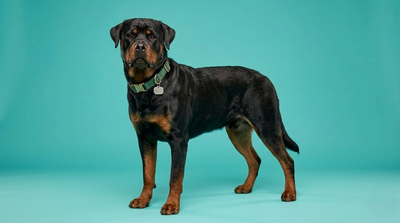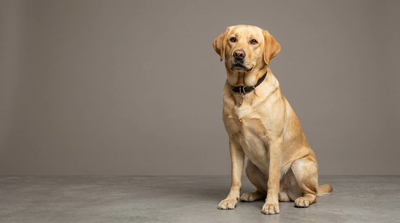

German Shepherd
The German Shepherd is India's most admired working dog — fiercely loyal, breathtakingly intelligent, and deeply bonded to their family. Originally bred for herding in 19th-century Germany, GSDs have earned their place in Indian homes, police forces, and hearts alike. With the right care, consistent training, and smart nutrition, a German Shepherd thrives across India — from Bangalore apartments to Delhi bungalows — and becomes an unmatched companion for life.
How to Care for a German Shepherd
About German Shepherds
There's a reason the German Shepherd is one of India's most beloved and widely recognised dogs. Walk into any cantonment area, police station, or middle-class family home, and you'll find a GSD holding court — alert, composed, and watching everything with those warm amber eyes. They are not simply pets. They are working partners, devoted guardians, and deeply sensitive companions who mirror the emotional state of everyone around them.
German Shepherds are consistently ranked among the world's most intelligent dog breeds, and in India, that intelligence has found purpose in the armed forces, customs, search and rescue, and — increasingly — as family companions for parents who want a dog that truly engages with them. A GSD will learn your routines, read your moods, and quietly position themselves at the heart of your home. They don't just live with you. They live for you.
That loyalty comes with responsibility. A German Shepherd deprived of mental stimulation, exercise, or proper socialisation can become anxious, destructive, or overly reactive — not because they're aggressive, but because they are so tuned in to their environment. With the right guidance, consistent training, and nutrition designed for their high-metabolic, active build, a well-raised GSD is one of the most rewarding dogs an Indian pet parent can share their life with.
Breed Appearance, Size & Weight
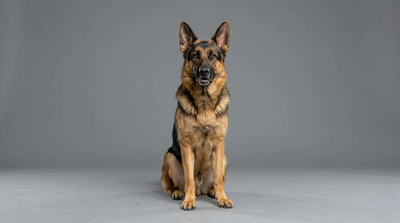
The German Shepherd is a dog of balanced, athletic power. Their body is slightly longer than it is tall, with a strong, well-muscled build designed for endurance and agility rather than raw bulk. The classic GSD silhouette — that confident, slightly sloping topline and proud head carriage — is instantly recognisable across every Indian city.
GSDs in India come in two coat varieties: the standard double coat (most common) and the less common long-coated variety. Both require regular grooming, but the double coat is the one you'll encounter in most breeding lines here.
Males
Height: 60 – 65 cm (24 – 26 inches)
Weight: 30 – 40 kg
Larger, more muscular frame with a broader head and chest.
Females
Height: 55 – 60 cm (22 – 24 inches)
Weight: 22 – 32 kg
Slightly finer build; equally athletic and capable.
Coat Type
Dense double coat — a soft undercoat for insulation and a harsh outer guard coat. Sheds year-round with heavy seasonal blows twice a year (spring and autumn).
Common Colours in India
Black & Tan (most common), Sable, Black & Red (show lines), Bi-colour, Solid Black. White GSDs exist but are rare and not recognised by all kennel clubs.
Grooming
The German Shepherd is a serious shedder. If you're not ready to find tufts of hair on your sofa, your dal, and somehow your office bag — a GSD might humble you quickly. This is not a dog you groom occasionally. Their dense double coat demands a consistent routine, especially across India's harsh summers and monsoon months.
Brushing
Brush your GSD at least 3–4 times per week throughout the year, increasing to daily during the two annual coat blows (typically March–May and October–November in most Indian cities). Use a slicker brush for the outer coat, followed by an undercoat rake or deshedding tool to pull out loose undercoat. A pin brush works well for long-coat GSDs. Brushing outdoors or on a dedicated mat saves your home from becoming a fur monument.
Bathing
Bathe every 6–8 weeks under normal conditions. In Mumbai's monsoon or Chennai's humidity, you may need to bathe more frequently to prevent skin fold infections and the characteristic "wet dog" smell that intensifies in tropical heat. Always use a dog-specific shampoo — human shampoos disrupt the coat's natural pH. Dry thoroughly; damp undercoat is a breeding ground for fungal infections, particularly during the monsoon. A professional dryer or even a strong hairdryer on a cool setting is worth the investment for a dog this size.
Ears, Nails & Teeth
Check ears weekly — GSDs have upright ears that allow good airflow, making them less prone to infections than floppy-eared breeds, but monsoon humidity changes that. Wipe gently with a vet-approved ear cleaner if you notice any dark wax or odour. Trim nails every 3–4 weeks. Dental hygiene is critical — aim for daily brushing with a dog-specific toothpaste; dental disease is the most under-diagnosed health issue in Indian pet dogs.
Monsoon & Summer Grooming Specifics
India's monsoon season (July–September) is the toughest period for GSD coats. The humidity accelerates bacterial and fungal skin issues, particularly in the skin folds near the neck and groin. After every wet walk, towel-dry your GSD thoroughly, paying special attention to paws, ears, and belly. Check between toes for mud accumulation or early signs of pododermatitis (inflamed paw skin). In peak summer (April–June), early morning brushing removes dead coat before your GSD's morning walk, reducing the insulating layer that traps heat.
German Shepherds shedding excessively — beyond normal seasonal blows — often have an underlying Omega-3 deficiency, especially dogs on dry kibble or unbalanced home-cooked diets. Vettofit's Wild-Caught Alaskan Salmon Oil delivers EPA and DHA directly to the skin and coat, reducing excessive shedding, relieving dry, flaky skin, and supporting joint lubrication for this large, active breed. Pet parents typically notice a visible difference in coat texture and shine within 4 weeks.
Explore Salmon Oil →Training
Training a German Shepherd is one of the most rewarding experiences in dog ownership — and one of the most necessary. This is a breed that was literally purpose-built for learning. GSDs ranked third in Stanley Coren's landmark intelligence study, and they show it daily: they pick up new commands in 5 repetitions or fewer, and they remember them for life. But that intelligence cuts both ways. An untrained GSD will invent its own rules, and they'll be considerably less convenient than yours.
Start on Day One
The moment your GSD puppy arrives home — whether at 8 weeks or later — training begins. Not formal obedience sessions, but the consistent communication of house rules. Where do they sleep? Where do they eat? What furniture is off-limits? GSDs thrive on clarity. Inconsistency confuses them and erodes trust. Every family member must be aligned on the same rules, same commands, same boundaries. Joint families, take note: the uncle who lets the dog on the sofa "just this once" is undoing weeks of your work.
Puppy Training Timeline
- 8–12 weeks: Sit, stay, name recognition, crate training, basic leash pressure. Keep sessions to 5 minutes — puppies have short attention spans.
- 3–6 months: Heel, come, down, leave it. Begin socialisation with controlled exposure to other dogs, people, sounds.
- 6–12 months: Advance to recall under distraction, impulse control games, basic manners around guests. Adolescence kicks in around 7–9 months — expect some regression; stay consistent.
- 12+ months: Advanced obedience, trick training, sport activities (agility, nose work, schutzhund for working-line dogs). Mental stimulation is as important as physical now.
India-Specific Socialisation
Indian streets are sensory chaos — autorickshaws backfiring, firecrackers at every festival, cattle, motorbikes on footpaths, and strangers who want to pet your dog without asking. Socialise your GSD to all of this deliberately and positively, starting from 8–14 weeks (the critical socialisation window). Carry high-value treats on walks. Every new experience — the sound of a pressure cooker, a man in a helmet, a child running towards them — should end with a treat and calm praise. A GSD socialised well through this window grows into a confident, unflappable adult.
Positive Reinforcement Only
German Shepherds respond beautifully to reward-based training. They do not need — and should never receive — harsh corrections, choke chains, or punishment-based methods. These approaches damage the GSD's extraordinary trust bond with their handler, create anxiety-driven reactivity, and are simply unnecessary for a breed this eager to please. Marker training (clicker or verbal "yes!") combined with food rewards and play is the gold standard endorsed by every reputable working dog trainer and veterinary behaviourist.
Diet & Nutrition
Feeding a German Shepherd correctly is one of the most important investments you'll make in their long-term health. This is a large, high-energy breed with specific nutritional needs that change considerably across their life stages — and those needs are rarely met by guesswork, neighbour advice, or a single bag of pet food.
Life Stage Feeding
Puppies (8 weeks – 12 months)
3–4 meals per day. Large-breed puppy food or a balanced home-cooked diet is essential. GSD puppies grow rapidly; excess calcium and phosphorus (often from oversupplementation) can cause skeletal abnormalities. Never feed adult food to a GSD puppy — the calcium-phosphorus ratio is different. Target a body condition score of lean-to-moderate: you should be able to feel ribs without pressing hard, but not see them clearly.
Adults (1 – 7 years)
2 meals per day. An active adult male GSD typically needs 1,700–2,200 kcal per day; females need 1,400–1,800 kcal. Requirements vary significantly with activity level — a GSD doing daily agility needs more than one getting leash walks in an apartment. Protein should be the first ingredient — chicken, lamb, fish, or eggs are excellent sources. Fat content should be moderate (12–18%).
Seniors (7+ years)
2 smaller meals per day. Reduce caloric density to prevent weight gain as activity slows. Increase joint-supporting nutrients: Omega-3 fatty acids, glucosamine, chondroitin. Monitor protein levels with your vet — some senior dogs benefit from slightly lower protein if kidney function is declining, while others maintain muscle mass better on higher protein. Annual bloodwork from age 7 is strongly recommended.
Indian Home-Cooked Diet Guidance
A large proportion of Indian GSD parents feed a home-cooked diet — often a mix of rice, chicken or mutton, and vegetables. This can absolutely work for GSDs, but it requires careful balancing. Plain boiled rice and chicken alone is nutritionally incomplete; it lacks zinc, essential fatty acids, B vitamins, calcium, and several trace minerals critical for this breed's coat, joints, and immune system. If you're cooking at home, work with a vet or veterinary nutritionist to create a balanced recipe, and supplement gaps consistently.
Hydration in Indian Summers
A 30 kg GSD needs approximately 1.5–2 litres of fresh water daily under normal conditions — significantly more during India's summer months or post-exercise. Dehydration is a leading cause of kidney stress in Indian dogs. Keep multiple water bowls around the house, refresh water twice daily, and add a small splash of plain, unsalted chicken broth to encourage drinking in reluctant drinkers.
Whether you're feeding kibble or a home-cooked diet, German Shepherds in India frequently miss key micronutrients — particularly zinc (essential for coat quality), biotin (for skin health), probiotics (for the sensitive GSD gut), and joint-supporting compounds. Vettofit's Nutri-Topper is a vet-formulated daily supplement powder with natural, human-grade ingredients including turmeric, probiotics, and essential vitamins — designed to bridge these gaps without any artificial fillers. Simply sprinkle over your GSD's regular meal.
Explore Nutri-Topper →Health & Common Issues
German Shepherds are generally robust dogs, but the breed carries a number of well-documented genetic predispositions that every Indian GSD parent should know — and ideally, plan for proactively. Awareness is prevention.
Hip Dysplasia
This is the most widely discussed GSD health concern worldwide — and legitimately so in India, where breeding practices don't always prioritise OFA or PennHIP screening. Hip dysplasia is a malformation of the hip joint where the ball and socket don't fit properly, leading to grinding, pain, and eventually arthritis. Signs typically emerge between 6–18 months: reluctance to jump, bunny-hopping gait, difficulty rising, or sensitivity when the lower back is touched. Maintain a lean body weight (critical — excess weight accelerates joint damage), provide low-impact exercise (swimming is excellent), and discuss Omega-3 supplementation with your vet from an early age. Never breed or purchase from parents without documented hip clearances.
Elbow Dysplasia
Another developmental orthopaedic condition, elbow dysplasia involves abnormal development of the elbow joint. Often seen alongside hip dysplasia in affected lines. Symptoms: front leg lameness, swelling around the elbow, stiffness after rest. Managed medically and surgically depending on severity.
Degenerative Myelopathy (DM)
DM is a progressive neurological disease affecting the spinal cord, most commonly appearing in GSDs over 8 years of age. It begins with hindlimb weakness and progresses to paralysis. There is no cure, but physical therapy can significantly slow progression and maintain quality of life. A genetic test is available — responsible breeders screen for DM status.
Bloat (Gastric Dilatation-Volvulus)
Large, deep-chested breeds like the German Shepherd are at elevated risk for bloat — a life-threatening emergency where the stomach fills with gas and twists on itself. Signs: unproductive retching, a distended abdomen, restlessness, pale gums, excessive drooling. This is a surgical emergency requiring immediate veterinary intervention. Do not wait. Preventive measures include feeding two smaller meals rather than one large one, using a slow-feeder bowl, and avoiding vigorous exercise 1–2 hours before and after eating.
Skin & Coat Conditions in India
The Indian climate creates specific dermatological challenges for GSDs. Common issues include: hot spots (acute moist dermatitis — particularly in monsoon humidity), pyoderma (bacterial skin infection, often secondary to allergies or dense coat moisture retention), ringworm (fungal — highly contagious, easily transmitted from street animals), and environmental allergies that manifest as chronic itching, red paws, and ear infections. Keep the coat clean and dry, maintain regular grooming, and consult your vet promptly at the first sign of skin irritation — GSD skin issues escalate quickly in India's humidity.
Tick-Borne Diseases
Year-round tick prevention is non-negotiable for Indian GSD owners. GSDs used for outdoor activities, guard duties, or dogs that spend time on grass are at high risk for ehrlichiosis, babesiosis, and hepatozoonosis — all transmitted by ticks and all endemic across Indian cities. Symptoms can be vague: lethargy, loss of appetite, pale gums, occasional fever. Use a veterinarian-recommended tick prevention product year-round. Check your GSD for ticks after every outdoor outing, focusing on ears, between toes, and groin.
Preventive Health Schedule
- Vaccinations: Follow your vet's protocol — typically DHPPi core vaccines + rabies. Annual boosters.
- Deworming: Every 3 months for adult GSDs in India.
- Flea & Tick Prevention: Monthly spot-on or prescription collar. Year-round in most Indian cities.
- Hip & Elbow Screening: X-rays at 18–24 months, before breeding.
- Annual Bloodwork: From age 5 onwards. Kidney, liver, thyroid panel.
- Dental Cleaning: Professional scaling as recommended by your vet — typically every 1–2 years.
Exercise
The German Shepherd is a working dog. Not a "working dog" in the vague marketing sense — an actual, purpose-designed working animal built for sustained physical and mental effort. An adult GSD needs a minimum of 90 minutes of exercise per day, combining moderate-intensity walks, off-leash running, and active mental work. This is non-negotiable for a balanced, well-behaved GSD.
Age-Appropriate Exercise
- Puppies (under 12 months): Follow the 5-minute rule — 5 minutes of structured exercise per month of age, twice daily. So a 4-month puppy gets two 20-minute sessions. Over-exercising GSD puppies damages developing joints. Avoid forced running, jumping, and stairs until growth plates close (typically 12–14 months for GSDs).
- Adolescents (12–24 months): Gradually increase to 60–90 minutes daily. Introduce jogging, fetch, and swimming. Continue mental stimulation — puzzle feeders, scent work, obedience sessions.
- Adults (2–7 years): 90–120 minutes daily minimum. This breed is capable of — and thrives with — hiking, agility, fetch over long distances, and swimming. A GSD that runs 5 km with you is a GSD that sleeps contentedly.
- Seniors (7+ years): Reduce intensity but maintain consistency. Shorter, more frequent walks. Swimming is ideal for arthritic seniors. Watch for signs of pain or fatigue — a GSD will push through discomfort to please you, so you must watch for them.
India-Specific Exercise Guidance
Indian summers require careful exercise management. The "paw test" is your guide: place the back of your hand on the pavement for 7 seconds. If you can't hold it there, it's too hot for your GSD's paws. In summer, exercise before 7 AM and after 6:30 PM without exception. Even then, carry water and watch for heatstroke signs: excessive panting, bright red gums, disorientation, and sudden weakness.
During monsoon, outdoor exercise can be tricky but isn't impossible. Many GSD parents in cities like Bengaluru and Mumbai use indoor alternatives: staircase climbs, indoor fetch in a hallway, treadmill training (for dogs trained to use one), and intensive obedience sessions. A mentally exhausted GSD is often calmer than a physically exhausted one — use this to your advantage.
Living With a German Shepherd in India
The German Shepherd is adaptable — more so than most large breeds — but they thrive best with owners who understand what they're taking on. Here's the honest, India-specific picture.
Apartment Living
Yes, GSDs can live happily in a 2BHK or 3BHK apartment — countless Indian GSD families do it successfully. The key variables are not floor space but exercise, mental stimulation, and owner commitment. A GSD that gets two vigorous walks daily, active training sessions, and meaningful interaction will settle quietly in a flat. A GSD that gets two short walks and is then left alone for 10 hours will let you know about it — loudly, and through your furniture.
Building societies in many Indian residential complexes have breed restrictions or weight limits. Before bringing a GSD home, check your society's pet policy. Some societies list GSDs under "restricted breeds" — typically requiring insurance, muzzles in common areas, or special permissions. Lobby your building management proactively, bring documentation of your dog's vaccinations and good temperament, and know your rights under Indian pet-keeping regulations.
Children & Family
A well-socialised GSD is exceptional with children — patient, protective, and often self-appointed as the child's guardian. Many Indian GSD owners describe their dog as "more careful with the kids than we are." However, a GSD that hasn't been properly socialised with children, or one that is anxious or under-exercised, may be unpredictable. Always supervise interactions between any large dog and young children. Teach children how to interact with dogs — no pulling ears, no approaching while eating, no sudden movements during sleep.
Other Pets
GSDs with early exposure to cats and other dogs generally coexist peacefully. Their herding instinct can cause them to "manage" other pets — nudging, circling, or following smaller animals. This rarely escalates to aggression when the dog has been well socialised, but should be monitored. Introduce new pets slowly, on neutral ground, with plenty of positive reinforcement for calm behaviour.
Cost of Ownership in India
Monthly Maintenance Estimate (₹)
Food (quality kibble or home-cooked): ₹3,000 – ₹7,000
Grooming (professional, monthly): ₹800 – ₹2,000
Vet visits + preventives: ₹500 – ₹2,000 (averaged monthly)
Supplements & wellness: ₹500 – ₹1,500
Toys, treats, accessories: ₹300 – ₹800
Total estimate: ₹5,100 – ₹13,300/month
Note: First-year costs are significantly higher — puppy vaccines, spay/neuter, crate, training, initial accessories.
Breed Availability in India
German Shepherds are widely bred across India, which is both a blessing and a significant risk. Quality varies enormously between breeders — from responsible breeders with OFA hip clearances and KCI registration to backyard breeders producing puppies with severe temperament or health issues. Always ask to see both parents, request hip/elbow screening documentation, and visit the facility before purchasing. Consider adoption — GSD rescues and breed-specific shelters across Mumbai, Bengaluru, Delhi, and Pune regularly have adult GSDs available for adoption who are house-trained and temperament-tested.
Breed History & Origin
The German Shepherd's story begins in the late 19th century with one man's vision: Captain Max von Stephanitz, a former cavalry captain and passionate dog breeder who believed Germany needed a standardised, purpose-bred herding and working dog. In 1899, von Stephanitz purchased a dog named Horand von Grafrath at a dog show — a striking wolf-grey dog with exceptional intelligence and working ability. He immediately registered Horand as the first German Shepherd Dog and founded the Verein für Deutsche Schäferhunde (Society for German Shepherd Dogs), the breed's founding organisation.
Von Stephanitz's guiding philosophy was "utility and intelligence." He was openly suspicious of breeding for appearance alone, insisting that every GSD must prove its working ability before registration. This principle shaped the breed's extraordinary trainability and drive. When mechanised farming reduced demand for herding dogs in the early 20th century, von Stephanitz successfully lobbied the German military and police to adopt GSDs — cementing their role as working dogs that has persisted into the 21st century.
German Shepherds arrived in India primarily through the British military and colonial administration. British army units stationed in India brought their service dogs, and the GSD's proven utility quickly made it the preferred breed for the Indian Army, Border Security Force, and police forces. After independence, civilian ownership grew steadily. Today, India is one of the world's largest markets for German Shepherds — both working line dogs serving in paramilitary units and family companion dogs living in cities from Srinagar to Kanyakumari.
Frequently Asked Questions
Can a German Shepherd survive in India's heat?
Yes, with proper management. German Shepherds live comfortably in most Indian cities when owners follow summer protocols: exercise before 7 AM and after 6:30 PM, provide constant access to fresh water, ensure shade and indoor AC access during peak heat (11 AM – 5 PM), and never leave them in a parked car or on an exposed terrace. Their double coat provides some insulation against heat, but they are not a tropical breed and need owner diligence in extreme Indian summers.
Are German Shepherds good for first-time dog owners in India?
GSDs can be a rewarding first dog, but they are not the easiest starting point. Their intelligence means they need consistent training and mental stimulation that inexperienced owners may underestimate. They also require significant daily exercise and one-on-one time. If you're a first-time owner committed to training classes, daily exercise, and ongoing education about the breed, a GSD can be a wonderful choice. If you're looking for a more low-maintenance first dog, a Beagle or Labrador may be a gentler introduction to dog ownership.
What is the best diet for a German Shepherd in India?
A high-protein diet with quality animal protein (chicken, fish, lamb, or eggs) as the primary ingredient, moderate fat, and balanced calcium-phosphorus ratios. Whether you feed premium kibble, a raw diet, or a home-cooked diet, the key is nutritional completeness — not just calories. Many Indian GSDs on home-cooked diets develop micronutrient deficiencies over time. A vet-formulated daily supplement can bridge these gaps. Avoid toxic Indian foods: onion, garlic, grapes, and spicy gravies.
Do German Shepherds shed a lot in India?
Yes — German Shepherds are among the heaviest shedders of all dog breeds. They shed year-round with two heavy "coat blows" annually (typically spring and autumn). In India, the warmer climate can make shedding more persistent. Daily brushing during blow season, regular Omega-3 supplementation for coat health, and professional grooming every 6–8 weeks significantly reduce the amount of hair in your home — but do not eliminate shedding. Consider this an essential part of the GSD ownership experience before you commit.
How much exercise does a German Shepherd need in India?
Adult German Shepherds need a minimum of 90 minutes of combined physical and mental exercise daily. In Indian cities, this typically means two substantial walks (morning and evening), active play or training sessions, and regular mental enrichment like puzzle feeders and scent work. During summer months, adjust timing strictly to before 7 AM and after 6:30 PM to prevent heat stress. Under-exercised GSDs in Indian apartments often develop anxiety, destructive behaviours, or excessive barking.
What are the most common health problems in German Shepherds in India?
The most common GSD health concerns in India are hip and elbow dysplasia (genetic, worsened by poor breeding practices), tick-borne diseases (ehrlichiosis, babesiosis — year-round risk in most Indian cities), skin and coat issues related to humidity and heat, bloat (gastric dilatation-volvulus — a potentially fatal emergency), and degenerative myelopathy in seniors. Regular vet check-ups, year-round tick prevention, proper diet, appropriate exercise, and early screening for orthopaedic issues are the best tools for a long, healthy GSD life.
This article is for informational purposes only and does not substitute professional veterinary advice. Please consult your vet before making changes to your pet's diet or health routine. Content reviewed by the Vettofit veterinary advisory team, April 2026.